Mining operations generate massive amounts of tailings and mine waste, which, if not properly managed, can lead to severe environmental and ecological consequences. Effective sustainable solutions are essential to mitigate these impacts while ensuring responsible resource extraction.
1. How Tailings and Mine Waste Affect Ecosystems
a. Water Pollution & Contamination
- Acid Mine Drainage (AMD):
- Sulfide minerals in tailings react with oxygen and water to form sulfuric acid, contaminating nearby water sources.
- Example: AMD from abandoned copper mines in the U.S. has led to toxic waterways with high acidity and heavy metal concentrations.
- Heavy Metal & Chemical Leaching:
- Toxic elements like arsenic, lead, and mercury seep into rivers and groundwater.
- Example: Cyanide and mercury used in gold extraction have contaminated rivers in South America.
b. Soil & Land Degradation
- Erosion & Soil Instability:
- Poorly managed tailings storage can lead to erosion, landslides, and the collapse of waste heaps.
- Example: Indonesia’s nickel mining has caused severe deforestation and soil degradation.
- Loss of Fertile Land:
- Disposed mine waste prevents vegetation growth, turning areas into wastelands.
c. Impact on Biodiversity
- Habitat Destruction:
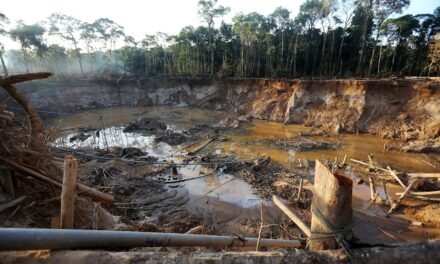
- Tailings ponds and waste dumps replace forests, wetlands, and wildlife habitats.
- Example: Open-pit gold mining in the Amazon has destroyed rainforests and displaced endangered species.
- Toxicity to Aquatic Life:
- Heavy metal contamination from tailings disrupts aquatic food chains, leading to fish kills and ecosystem collapse.
- Example: The Ok Tedi Mine in Papua New Guinea led to river pollution, killing fish populations and harming local communities.
d. Air Pollution & Dust Emissions
- Wind-blown tailings dust:
- Fine particles containing silica, arsenic, and heavy metals become airborne, posing health hazards.
- Example: Dry tailings dust from uranium mines in Africa has led to increased respiratory diseases.
e. Tailings Dam Failures
- Risk of Catastrophic Spills:
- Weak tailings dams can break, causing massive flooding and environmental disasters.
- Example:
- Brumadinho Dam Disaster (Brazil, 2019): A tailings dam collapsed, releasing toxic sludge, killing 270 people, and contaminating rivers.
- Mount Polley (Canada, 2014): Tailings spilled into lakes, destroying fish habitats.
2. Sustainable Solutions for Tailings Management and Mine Waste Disposal
a. Dry Stacking of Tailings (Filtered Tailings Storage)
- How It Works:
- Tailings are dewatered and compacted before disposal, reducing the risk of dam failures and contamination.
- Example:
- The Karara Iron Ore Mine (Australia) has successfully adopted dry stacking for waste management.
b. Reprocessing & Recycling of Tailings
- How It Works:
- Tailings contain valuable metals that can be extracted using new techniques.
- Can be reused in cement, construction materials, and road base.
- Example:
- Some South African gold mines are reprocessing old tailings to extract remaining gold and reduce waste.
c. Tailings Reclamation & Land Rehabilitation
- How It Works:
- Covering tailings with soil and planting vegetation helps stabilize waste and restore ecosystems.
- Example:
- Canada’s Sudbury Basin: Former mining lands were restored by replanting trees and neutralizing acidic soils.
d. Using Tailings for Sustainable Infrastructure
- How It Works:
- Waste materials can be used for bricks, tiles, and building materials.
- Example:
- Researchers are developing tailings-based bricks to replace conventional clay bricks.
e. Better Tailings Dam Engineering & Monitoring
- How It Works:
- Modern designs include reinforced embankments, real-time monitoring, and emergency drainage systems..
- Example:
- Chile’s Copper Mines use real-time monitoring systems to prevent tailings dam failures.
f. Government Regulations & Industry Standards
- How It Works:
- Stricter environmental laws, inspections, and corporate responsibility initiatives.
- Example:
- Global Industry Standard on Tailings Management (GISTM) enforces strict safety and environmental guidelines.
Poor tailings management can have devastating environmental consequences, including water pollution, land degradation, biodiversity loss, and dam failures. Sustainable solutions like dry stacking, reprocessing, land reclamation, and improved tailings dam engineering can significantly reduce these impacts. Governments, mining companies, and environmental organizations must collaborate to enforce stricter regulations and promote responsible waste disposal for a more sustainable mining industry.