Mining and processing silicate minerals present a range of environmental challenges due to the nature of the minerals and the processes involved in their extraction. Below are the primary environmental challenges and how they can be addressed:
1. Water Consumption and Contamination
- Challenge: Silicate ore processing, especially in flotation and leaching, requires significant amounts of water. Water used in these processes can become contaminated with chemicals like cyanide, sulfuric acid, or heavy metals, leading to pollution of water bodies.
- Impact: Pollution of local water sources can harm aquatic ecosystems and pose risks to nearby communities.
Mitigation:
- Water Recycling and Reuse: Implement closed-loop water systems to recycle and reuse water in the mining and processing operations, reducing overall water consumption.
- Water Treatment: Install advanced water treatment systems, such as reverse osmosis or chemical neutralization, to clean contaminated water before discharging it into the environment.
- Tailings Water Recovery: Use water recovery systems to treat tailings ponds and recycle the water back into the process.
2. Tailings and Waste Generation
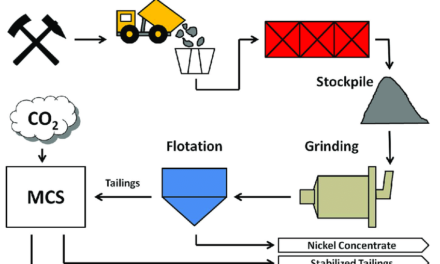
- Challenge: Silicate ore processing generates large amounts of tailings and waste rock, which often contain fine particles of silicate minerals like quartz and feldspar. These materials can be difficult to manage, particularly in areas with limited land available for tailings storage.
- Impact: Tailings storage facilities pose risks such as dam failures and contamination of surrounding land and water sources. Silicate-rich tailings can also be difficult to process for further metal recovery.
Mitigation:
- Dry Stacking: Instead of storing tailings in slurry form, use dry stacking techniques to dewater the tailings and stack them as dry material, reducing the risk of dam failures and land contamination.
- Reprocessing Tailings: Implement technologies for reprocessing tailings to recover additional valuable metals and minimize waste.
- Reclamation of Tailings Sites: Rehabilitate and restore tailings sites for post-mining land use, such as wildlife habitats or recreational areas, reducing long-term environmental impact.
3. Energy Consumption
- Challenge: The extraction and processing of silicate minerals, especially hard minerals like quartz and feldspar, require high energy inputs for crushing, grinding, and smelting.
- Impact: High energy consumption increases greenhouse gas emissions, contributing to climate change and air pollution.
Mitigation:
- Energy Efficiency: Invest in energy-efficient equipment and optimized processing technologies to reduce energy consumption in mining and processing.
- Renewable Energy: Shift to renewable energy sources (e.g., solar, wind, hydro) to power mining operations, decreasing reliance on fossil fuels and reducing carbon emissions.
- Waste Heat Recovery: Implement waste heat recovery systems to utilize excess heat generated in smelting and other high-temperature processes, improving overall energy efficiency.
4. Air Pollution (Dust and Emissions)
- Challenge: Mining and processing silicate ores can generate dust from crushing, grinding, and handling, as well as airborne emissions from smelting or roasting processes.
- Impact: Dust and air pollutants can degrade air quality, affecting local communities and ecosystems. Fine dust particles, like silica, can pose health risks to workers, including respiratory diseases.
Mitigation:
- Dust Suppression: Use dust control measures, such as water sprays, fog cannons, and dust collectors, to minimize the release of dust during handling, crushing, and transportation of silicate ores.
- Air Filtration Systems: Install air filtration and scrubber systems in smelting or roasting operations to capture and neutralize harmful emissions like sulfur dioxide (SO₂) and carbon dioxide (CO₂).
- Health and Safety Regulations: Implement strict health and safety protocols to protect workers from dust inhalation, including providing protective equipment and regular monitoring of air quality.
5. Land Degradation and Habitat Destruction
- Challenge: Mining silicate ores, especially through open-pit mining, leads to deforestation and disruption of ecosystems. The removal of vegetation and soil can result in erosion, biodiversity loss, and the destruction of wildlife habitats.
- Impact: Loss of biodiversity and degradation of ecosystems, including soil erosion, can affect local communities, agriculture, and wildlife.
Mitigation:
- Land Restoration and Reclamation: Implement effective mine reclamation plans that restore disturbed land by planting vegetation, preventing soil erosion, and creating wildlife corridors to maintain biodiversity.
- Sustainable Mining Practices: Adopt sustainable land management techniques, such as minimizing land disturbance and preserving surrounding ecosystems during mining operations.
- Offset Programs: Where habitat loss is unavoidable, establish biodiversity offsets by protecting or restoring other areas of land to compensate for the ecological damage.
6. Chemical Contamination and Acid Mine Drainage
- Challenge: Silicate ore processing may involve the use of toxic chemicals (e.g., cyanide, sulfuric acid, or sodium hydroxide) for leaching and other extraction processes. These chemicals can contaminate water and soil if not properly managed.
- Impact: Contamination of local water bodies and soil with harmful chemicals, leading to long-term environmental and health risks for communities and wildlife.
Mitigation:
- Chemical Waste Management: Develop safe chemical disposal systems and neutralize toxic substances before they are released into the environment. This includes proper treatment of leachate from tailings.
- Cyanide Destruction: Implement cyanide detoxification methods, such as sodium metabisulfite treatment, to neutralize cyanide in gold processing before disposal.
- Closed-Loop Systems: Use closed-loop systems to minimize the release of chemicals into the environment and enable the safe reuse of process chemicals.
7. Health and Social Impacts
- Challenge: Mining operations can affect local communities through displacement, noise pollution, and health risks from exposure to chemicals or dust. Child labor and poor working conditions are also concerns in some regions.
- Impact: Health problems, social conflicts, and displacement of communities can occur, leading to negative social and economic outcomes.
Mitigation:
- Community Engagement: Involve local communities in the planning and decision-making processes through regular consultations and transparent communication about the impacts of mining activities.
- Health and Safety Standards: Ensure strict adherence to health and safety regulations to protect workers and surrounding communities. Provide training and protective equipment for workers to minimize health risks.
- Fair Compensation: Offer fair compensation and resettlement plans for displaced communities, ensuring that they benefit from the mining operation through employment and infrastructure development.