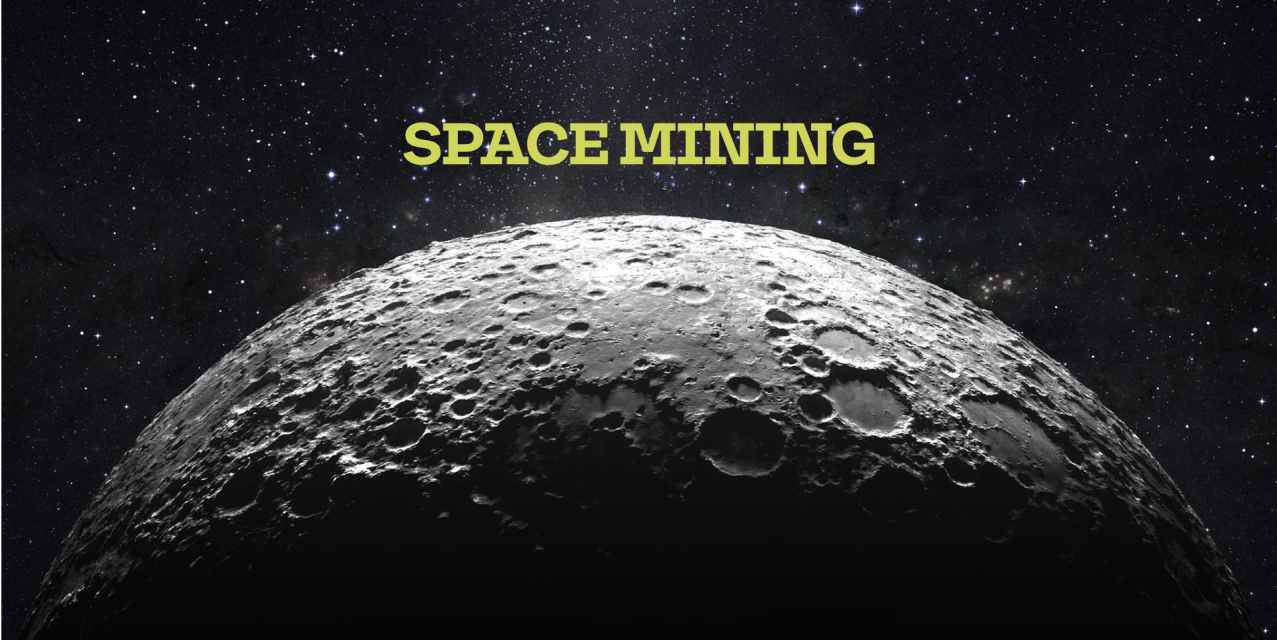
As space mining moves closer to reality, ethical challenges arise regarding resource ownership, environmental sustainability, and space debris management. Addressing these concerns early is crucial to ensuring fair and responsible space exploration.
1. Resource Ownership & Fair Access
A. Who Owns Space Resources?
- The Outer Space Treaty (1967) states that no nation can claim celestial bodies but does not clearly address private ownership of extracted materials.
- The U.S., Luxembourg, Japan, and UAE have passed laws allowing companies to own mined resources, but no global consensus exists.
- Ethical concern: If a few corporations or countries dominate space mining, it could widen economic inequalities.
B. Preventing Space Resource Monopolies
- Risk: Wealthy nations or corporations could hoard space resources, limiting access for developing countries.
- Possible solutions:
- Global treaties ensuring equitable distribution.
- International licensing systems to prevent over-extraction.
2. Environmental Impact on Space & Celestial Bodies
A. Impact on Asteroids, the Moon, & Mars
- Mining could strip celestial bodies of valuable materials, altering their composition.
- Removing too much mass from an asteroid could change its orbit, creating collision risks.
- Lunar mining could disrupt surface stability, affecting potential habitats.
B. Ethical Concerns of Space Ecosystem Disruption
- While no known life exists on asteroids or the Moon, future discoveries on Mars or Europa could raise concerns about contamination.
- Potential solution: Establishing “no-mining zones” near scientifically significant areas.
3. Space Debris & Orbital Pollution
A. Increased Space Debris Risks
- Mining operations could generate debris from broken equipment, excavation, or failed launches.
- More space activity increases the chance of collisions, worsening the Kessler Syndrome (self-perpetuating debris chain reactions).
B. Ethical Responsibility for Cleanup
- Who is responsible? No clear laws mandate companies or countries to remove mining-related debris.
- Potential solutions:
- International cleanup regulations (e.g., mandatory debris removal plans).
- Sustainable mining methods to minimize waste.
4. Human Rights & Labor Concerns in Space
A. Worker Safety in Harsh Conditions
- Future space mining may involve astronaut miners or remote workers on the Moon/Mars.
- Ethical concerns:
- Protection from radiation, low gravity, and extreme temperatures.
- Prevention of exploitation (e.g., forcing workers into dangerous conditions).
B. AI & Robotics Replacing Human Labor
- Autonomous mining reduces human risk, but raises concerns about job loss.
- Ethical balance: Ensuring technological progress doesn’t eliminate human opportunities.
5. Economic & Geopolitical Conflicts
- Space mining could widen the gap between spacefaring and non-spacefaring nations.
- The race for resources could trigger space conflicts over mining rights.
- Ethical approach: Establishing global agreements for peaceful cooperation.
Conclusion
Ethical space mining must balance economic opportunity, sustainability, and fair access.
- Global laws & regulations are needed to prevent monopolization.
- Sustainable mining technologies should minimize environmental harm.
- Debris management & worker rights must be prioritized.
Hashtags
#EthicalSpaceMining #SpaceEthics #SpaceResourceRights #FairSpaceExploration #SustainableSpaceMining #SpaceResourceOwnership #WhoOwnsSpace #SpaceCommons #SpaceEquity #SpaceLawAndEthics #SustainableSpaceExploration #SpaceMiningImpact #EcoFriendlySpaceMining #ProtectOuterSpace #SpaceSustainability #SpaceDebris #OrbitalPollution #SpaceJunkCrisis #ResponsibleSpaceMining #CleanSpaceInitiative