Mining hydroxide minerals, such as bauxite (aluminum hydroxide), goethite (iron hydroxide), and brucite (magnesium hydroxide), presents a range of environmental challenges. These challenges arise from both the mining process itself and the subsequent processing of these minerals. Here’s an overview of the key environmental concerns associated with mining hydroxide minerals and potential mitigation strategies:
1. Habitat Destruction and Ecosystem Disruption
- Impact: The extraction of hydroxide minerals often requires open-pit mining or strip mining, which involves large-scale removal of soil and vegetation. This can lead to habitat destruction, loss of biodiversity, and disruption of ecosystems, particularly in sensitive areas like tropical rainforests or wetlands.
- Mitigation:
- Reforestation and land reclamation: After mining operations, it’s crucial to implement reforestation programs and soil restoration to restore habitats and prevent soil erosion.
- Buffer zones: Establishing buffer zones around mining sites can help preserve surrounding ecosystems and reduce habitat fragmentation.
- Use of smaller-scale mining methods: In some areas, underground mining or in-situ methods can be used to minimize surface disturbance.
2. Water Pollution and Acid Mine Drainage (AMD)
- Impact: The process of leaching and refining hydroxide minerals often involves the use of acidic or alkaline chemicals (such as sulfuric acid, caustic soda, or ammonium chloride). These chemicals can contaminate groundwater and surface water if not properly managed. In particular:
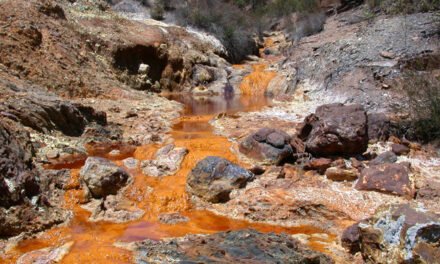
- Acid mine drainage (AMD) can occur when sulfur-bearing minerals (such as pyrite) in the ore come into contact with water and oxygen, leading to the formation of sulfuric acid, which can lower the pH of nearby water bodies.
- Heavy metals like iron, aluminum, and magnesium can leach into the water, causing toxicity to aquatic life and impacting water quality for human consumption and agriculture.
- Mitigation:
- Water treatment systems: Implementing neutralization or buffering systems to treat acidic effluents before discharge into the environment.
- Wastewater recycling: Developing systems for closed-loop water use in processing plants, reducing the release of contaminated water.
- Waste management: Careful disposal of tailings and other by-products, especially in lined tailings ponds, can prevent the seepage of pollutants into groundwater.
3. Air Pollution and Dust Emissions
- Impact: Mining and processing operations can generate significant dust emissions from the excavation of ore and transport of materials. Dust containing fine particles of minerals, including aluminum oxide (from bauxite) or iron oxide (from goethite), can degrade air quality and impact nearby communities.
- Particulate matter (PM) can have negative health effects, particularly on the respiratory system, and can lead to smog formation and reduced visibility.
- Mitigation:
- Dust suppression technologies: Using water sprays, dust suppressants, or vegetative cover (like grasses) on exposed surfaces can significantly reduce airborne particulate emissions.
- Air filtration systems: Installing high-efficiency particulate air (HEPA) filters in processing plants and on equipment can capture dust particles before they are released into the atmosphere.
- Covering transportation trucks: Ensuring that transport vehicles are covered with tarps or shields can reduce the amount of dust released during material transport.
4. Energy Consumption and Greenhouse Gas Emissions
- Impact: The extraction and processing of hydroxide minerals require significant energy input, particularly in the smelting, calcination, and leaching stages. This energy consumption often results in the emission of greenhouse gases (GHGs), contributing to climate change.
- The Bayer process used for bauxite refining, for example, involves high temperatures and large amounts of electricity.
- Mitigation:
- Energy efficiency: Implementing more energy-efficient technologies, such as high-efficiency smelters or closed-circuit cooling systems, can reduce the carbon footprint.
- Renewable energy: Using solar, wind, or hydropower for mining and processing operations can significantly reduce GHG emissions.
- Carbon capture and storage (CCS): In certain contexts, CCS technologies could be used to capture CO₂ emissions from processing plants before they are released into the atmosphere.
5. Tailings and Waste Management
- Impact: The mining and processing of hydroxide minerals generate large volumes of tailings, which are the leftover materials after ore processing. These tailings may contain toxic substances, heavy metals, and residual chemicals from the leaching process, and improper disposal can lead to soil contamination and water pollution.
- Mitigation:
- Tailings management: Establishing secure tailings storage facilities (TSFs) that are properly lined and monitored can prevent leakage into surrounding soil and groundwater.
- Reprocessing and recycling: In some cases, tailings can be treated or reprocessed to recover additional valuable minerals or metals, reducing the volume of waste.
- Sustainable disposal methods: Dry stacking or paste tailings techniques, where tailings are mixed with cement or other stabilizers, can reduce the risk of tailings dam failures and improve waste disposal safety.
6. Noise and Vibration Pollution
- Impact: The use of heavy machinery, including excavators, drills, and haul trucks, generates significant noise pollution. Prolonged exposure to high noise levels can have adverse effects on both the health of workers and wildlife, disturbing natural habitats and leading to stress or migration of animals.
- Mitigation:
- Noise barriers: Installing soundproof barriers or buffers around processing plants and mining areas can reduce noise propagation.
- Noise reduction technologies: Using quieter machinery and vibration-damping equipment can help minimize noise pollution.
- Regular monitoring: Implementing noise monitoring systems to ensure that noise levels stay within permissible limits and reduce exposure.
7. Human Health and Safety Risks
- Impact: Mining operations can expose workers to hazardous chemicals used in processing hydroxide minerals. These may include caustic soda, sulfuric acid, or cyanide (in some cases), posing health risks such as skin burns, respiratory issues, or toxic exposure.
- Mitigation:
- Personal protective equipment (PPE): Providing workers with appropriate PPE, including respirators, gloves, and safety goggles, to minimize exposure to harmful chemicals.
- Training and education: Ensuring workers are trained in safety protocols and emergency response measures to handle hazardous substances.
- Health surveillance: Regular health checks and monitoring of workers’ exposure to toxic substances can help mitigate long-term health effects.
Conclusion
The mining of hydroxide minerals such as bauxite, goethite, and brucite presents significant environmental challenges, including habitat destruction, water pollution, dust emissions, high energy consumption, and waste management issues. However, through sustainable practices, including improved waste management, energy efficiency, water treatment systems, and habitat restoration, these impacts can be mitigated. By incorporating environmental stewardship into mining operations, the mining industry can help reduce its ecological footprint while ensuring the continued extraction of these valuable minerals.
Hashtags
#HydroxideMinerals #EnvironmentalImpact #SustainableMining #EcoMining #MiningPollution #HydroxideMining #MiningWaste #MiningSustainability #MiningReclamation #WaterContamination #GreenMining #ResponsibleMining #MineWasteManagement #EcoFriendlyMining #EnvironmentalMitigation #MiningPollutionControl #EcoMiningSolutions #MiningReclamationTech #EnvironmentalProtection #MiningImpactMitigation