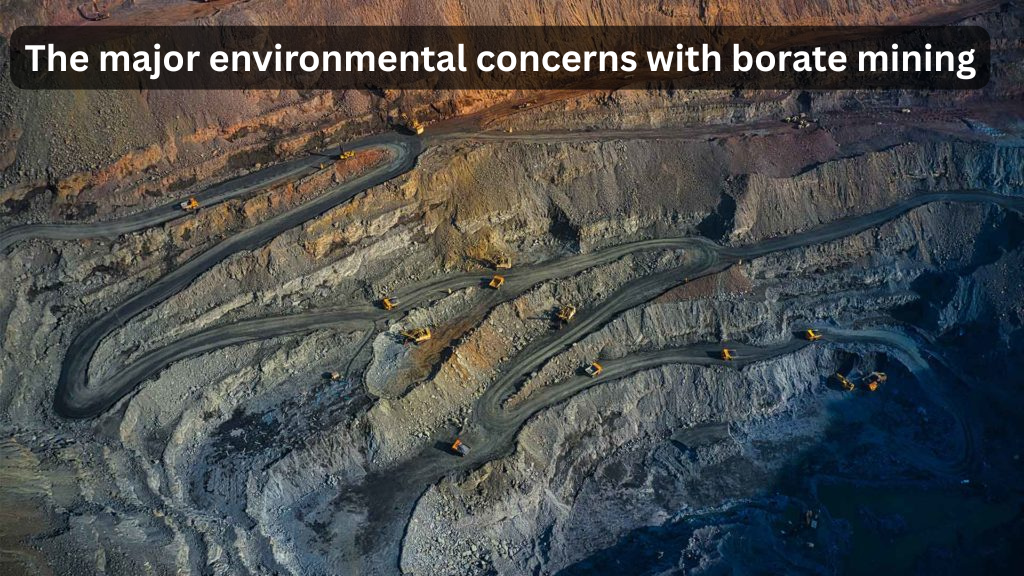
Borate mining, like many other forms of mineral extraction, presents several environmental concerns that can impact local ecosystems and communities. However, as the demand for borates continues to grow, especially in sectors like glass production, electronics, renewable energy, and agriculture, there is an increasing focus on adopting sustainable practices to minimize these environmental impacts. Below are the major environmental concerns associated with borate mining, along with the sustainable practices being implemented to reduce its impact:
Major Environmental Concerns in Borate Mining
1. Water Usage and Contamination
- Water-intensive operations: Borate mining is often conducted in arid regions, such as the Mojave Desert (U.S.) and Atacama Desert (Chile). Water is a critical resource for mining operations, particularly for the extraction process and dust control.
- Groundwater depletion: Excessive water use can lead to the depletion of local aquifers, affecting surrounding communities and ecosystems that rely on groundwater sources.
- Water contamination: Mining operations, especially those that involve the use of chemicals to process ores, can lead to contamination of surface and groundwater with harmful substances, including heavy metals and acidic runoff from tailings.
2. Habitat Disruption and Land Degradation
- Land use changes: Mining requires the clearing of large areas of land, which can lead to habitat destruction, particularly in ecologically sensitive areas.
- Soil erosion: The excavation and extraction processes can result in soil erosion, impacting the local landscape and leading to sedimentation in nearby water bodies.
- Destruction of biodiversity: Mining operations may destroy local flora and fauna, affecting wildlife habitats and reducing biodiversity.
3. Air Pollution and Dust Emissions
- Dust generation: The mining and transportation of borate minerals can generate significant amounts of dust. Dust emissions can affect air quality, human health, and the surrounding environment, especially in desert areas where vegetation is sparse.
- Emissions from processing: Some borate extraction processes may release harmful gases into the air, contributing to air pollution.
4. Tailings and Waste Disposal
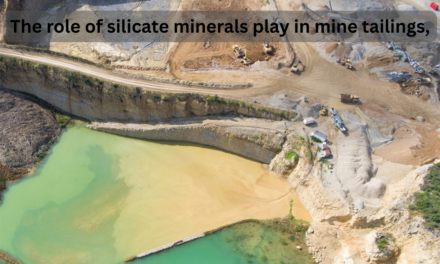
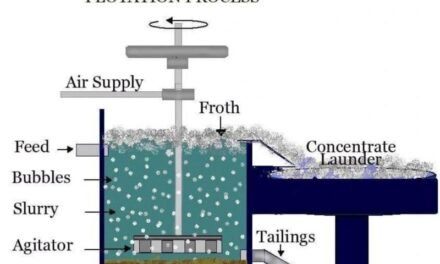
- Tailings management: After the borate ore is extracted, the remaining waste material, known as tailings, needs to be managed. Improper tailings disposal can result in acid mine drainage (AMD), which can contaminate nearby water bodies and soil.
- Radioactive elements: In some regions, borate ores can contain small amounts of radioactive elements, such as uranium. If not properly managed, these elements can pose environmental and health risks.
5. Greenhouse Gas Emissions
- Carbon footprint: The mining and processing of borates require significant energy inputs, often from fossil fuels, which contribute to greenhouse gas emissions.
- Transport-related emissions: The transportation of borate minerals, especially from remote mining regions, contributes to the overall carbon footprint of borate products.
Sustainable Practices in Borate Mining
In response to these environmental challenges, several sustainable practices are being implemented by borate mining companies and regulatory bodies to reduce the environmental impact of borate extraction:
1. Water Conservation and Recycling
- Water management systems: Companies are investing in closed-loop water systems that recycle water used in the extraction and processing stages, reducing overall water consumption.
- Water treatment: Advanced water treatment technologies are being used to ensure that water used in the mining process is cleaned and recycled before being discharged, minimizing contamination risks.
- Desalination: In some regions, desalination plants are being used to convert seawater into usable water for mining operations, reducing the pressure on local freshwater resources.
2. Land Rehabilitation and Ecosystem Restoration
- Revegetation and restoration: Mining companies are increasingly focusing on land rehabilitation after mining activities. This includes replanting native vegetation and creating habitats to restore biodiversity in disturbed areas.
- Minimizing land disturbance: Sustainable mining practices involve minimizing the footprint of the mining operation and using techniques that reduce land clearing. This includes using underground mining methods instead of open-pit mining in certain areas.
- Wildlife protection: Efforts are made to avoid disrupting wildlife habitats. Some companies even engage in wildlife monitoring and establish conservation programs in areas near mining operations.
3. Dust Control and Air Quality Management
- Dust suppression: Mining companies use various dust control techniques, such as water sprays, dust suppressants, and vegetative cover, to reduce dust emissions during mining and transport.
- Emission reduction: Some mining operations are adopting cleaner technologies for air filtration and fume treatment to reduce emissions from processing and transportation. Electric vehicles (EVs) and electric-powered machinery are also being explored to reduce diesel emissions.
4. Tailings and Waste Management
- Tailings storage: Borate mines are increasingly using safer tailings storage facilities, including dry stacking and tailings ponds with better containment systems to prevent contamination of groundwater.
- Circular economy practices: Some companies are looking at waste recovery and recycling methods to minimize the environmental footprint of tailings. For example, waste materials can be repurposed in cement production or construction materials.
- Radioactive waste handling: In cases where radioactive elements are present in the ore, mining companies are adopting strict protocols for their safe disposal and containment.
5. Renewable Energy Integration
- Solar and wind energy: Some borate mines are integrating renewable energy sources such as solar and wind power to reduce the carbon footprint of mining operations.
- Energy-efficient technologies: The adoption of energy-efficient technologies in ore processing, such as low-energy grinding techniques, is being explored to reduce overall energy consumption.
6. Green Certifications and Eco-friendly Standards
- ISO certifications: Many mining companies are pursuing ISO 14001 (Environmental Management) certification to ensure that their operations meet international environmental standards.
- Eco-labeling: Some borate producers are opting for eco-labels or green certifications, which indicate that their products are produced sustainably and with minimal environmental impact.
7. Community Engagement and Social Responsibility
- Stakeholder engagement: Companies are engaging with local communities and indigenous groups to understand the social and environmental concerns of mining operations. This includes implementing social responsibility programs and ensuring fair benefits to affected communities.
- Health and safety: Mining companies are increasingly investing in worker health and safety programs, addressing concerns related to air pollution, water contamination, and exposure to harmful substances.
Conclusion
Borate mining presents several environmental concerns, including water depletion, habitat disruption, air pollution, tailings management, and greenhouse gas emissions. However, industry stakeholders are increasingly adopting sustainable practices to mitigate these impacts. These practices include water conservation, land rehabilitation, dust control, renewable energy integration, and improved tailings management. By focusing on these sustainability efforts, the borate mining industry can reduce its environmental footprint while meeting the growing global demand for boron-based products essential to modern industries.
Hashtags
#BorateMining #EnvironmentalImpact #SustainableMining #EcoMining #MiningPollution #BorateExtraction #WaterUsageInMining #MiningWasteManagement #SoilDegradation #MiningSustainability #GreenMining #BorateSustainability #ResponsibleMining #MiningReclamation #WaterContamination #EcoFriendlyMining #MiningReclamationTech #EnvironmentalMitigation #PollutionPrevention #SustainableMiningPractices #MiningInnovation