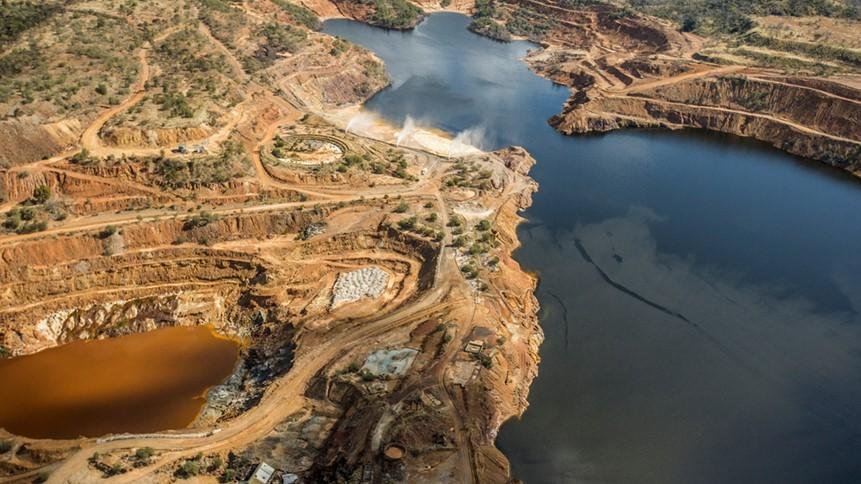
Mining companies are required to implement comprehensive monitoring and mitigation strategies to minimize the environmental impact of in-situ mining, especially concerning surrounding ecosystems and water resources. These strategies aim to prevent the contamination of groundwater, protect local ecosystems, and ensure that the leaching solutions are contained within the designated ore body. Here’s how they typically monitor and mitigate the impacts:
1. Groundwater and Surface Water Monitoring
Monitoring Wells:
- Purpose: Mining companies install monitoring wells around the mine site to regularly check the quality of both groundwater and surface water. These wells help detect any potential contamination from leaching solutions or chemicals used during the mining process.
- How It Works: Wells are drilled into various geological strata around the mining area. By taking periodic water samples, companies can monitor for contaminants like sulfuric acid, cyanide, heavy metals, or radioactive elements (in the case of uranium extraction).
- Technology Used: Advances in remote sensing, automated water sampling, and real-time data transmission are employed to ensure continuous monitoring and rapid response in case of contamination.
Surface Water Monitoring:
- Companies also monitor nearby rivers, lakes, or wetlands that could be affected by chemical runoff or spills. This is especially important for operations where leachate may come into contact with surface water or the recovery process could affect water quality.
- Water quality sensors are used to detect changes in pH, chemical composition, and toxicity levels.
2. Geochemical Modeling and Simulation
Geochemical Modeling:
- Purpose: Geochemical models are developed to predict how leachates will behave once they are introduced into the subsurface. These models simulate the movement of both the leaching solutions and dissolved minerals, helping companies understand the potential for contamination and migration to neighboring groundwater or surface water.
- How It Works: The models take into account geological formations, water flow dynamics, and the chemical reactions between the ore body and leaching solutions. This helps in determining the safe boundaries for injection and recovery.
Simulation of Hydraulic Pressure:
- In-situ mining often involves the injection of fluids into the ore body. Companies simulate the pressure dynamics within the deposit to ensure that the leachate remains contained and does not escape into surrounding rock formations. Hydraulic models are used to predict how fluids move through fractures and permeable zones.
3. Containment and Isolation Techniques
Impermeable Barriers:
- To ensure that leachate does not escape into the surrounding environment, mining companies rely on impermeable geological barriers such as clay layers or natural rock formations that can act as seals. These barriers help contain the injected fluids and prevent them from migrating to surrounding groundwater sources.
- In-situ barriers (like cement grout or synthetic liners) are sometimes added to reinforce these natural barriers, particularly in areas with unstable geology.
Sealing Injection and Recovery Wells:
- Proper sealing of injection and recovery wells is critical to prevent the escape of leachate into unintended areas. Well casing and cementing techniques ensure that these wells are securely sealed and do not allow chemicals to migrate vertically or horizontally outside the target ore zone.
4. Site Reclamation and Post-Mining Remediation
Neutralization of Chemicals:
- After mining operations end, companies often need to neutralize any remaining chemicals in the subsurface before they can be safely contained. For example, acidic solutions (like sulfuric acid in uranium or copper ISR) are neutralized using alkaline substances such as lime or sodium bicarbonate to raise the pH levels and reduce toxicity.
Pumping and Reprocessing:
- Pumping is often used to remove any residual leachate from the ore body and bring it to the surface for further treatment. Once extracted, the leachate can be reprocessed to recover any remaining minerals or detoxify it through methods like precipitation, solvent extraction, or bioremediation.
Replanting and Soil Restoration:
- For sites where the surface has been disturbed, companies work on revegetation and soil restoration to prevent erosion, enhance biodiversity, and restore the ecological balance. This often involves planting native species, treating soil to remove contaminants, and monitoring the recovery of the ecosystem over time.
5. Chemical Management and Waste Treatment
Chemical Recovery and Recycling:
- Companies aim to recycle and reuse leaching chemicals wherever possible to minimize the environmental footprint. For example, in copper ISR, the sulfuric acid can be recycled after processing to make the operation more sustainable.
Spill Prevention and Response Plans:
- Rigorous spill prevention measures are implemented to avoid accidental releases of chemicals. This includes secondary containment systems around pumps, tanks, and pipelines, as well as spill kits and emergency response protocols.
Detoxification of Chemicals:
- Certain chemicals, such as cyanide used in gold extraction, can be detoxified using methods like INCO process (sodium metabisulfite and oxygen treatment) or oxygenation to break down the cyanide into less harmful substances.
6. Real-Time Monitoring Systems and Automation
Automated Systems:
- Modern automated systems are used to monitor key environmental parameters such as pH, redox potential, chemical concentration, and flow rates of injected and recovered fluids. These systems allow for immediate adjustments if abnormalities are detected, helping prevent environmental accidents.
Remote Sensing and Drones:
- Drones and satellite imagery are sometimes used to monitor large mining sites for signs of environmental degradation, such as changes in land surface, groundwater levels, or signs of surface water contamination.
- Environmental sensors can be embedded within the site to provide real-time data on the effectiveness of containment systems, water quality, and the overall ecological health of the surrounding areas.
7. Community Engagement and Regulatory Compliance
Environmental Impact Assessments (EIAs):
- Before starting in-situ mining operations, companies must conduct environmental impact assessments (EIA) that evaluate potential risks and outline measures to mitigate harm to local ecosystems and water resources. This is often required by local and national governments and environmental regulators.
Stakeholder Engagement:
- Mining companies are increasingly engaging with local communities, stakeholders, and environmental groups to ensure transparency, gather feedback, and work collaboratively on environmental protection strategies. This helps build trust and ensures that mining operations do not harm nearby populations or their livelihoods.
Regulatory Oversight:
- Companies must comply with local, national, and international regulations regarding water management, chemical use, and ecosystem protection. Regular audits by environmental agencies help ensure that mining operations are following the necessary guidelines and operating responsibly.
Conclusion
Mining companies take several measures to monitor and mitigate the environmental impacts of in-situ mining, particularly when it comes to groundwater contamination, chemical leakage, and effects on local ecosystems. These include regular monitoring of groundwater and surface water, the use of impermeable barriers, chemical neutralization and recycling, and post-mining remediation. Additionally, real-time monitoring systems, automated technologies, and adherence to environmental regulations help prevent or reduce the potential negative effects on the environment.
Hashtags
#EcoFriendlyMining #SustainableMining #WaterConservation #EcosystemProtection #InSituMining #EnvironmentalImpact #MiningWithCare #WaterManagement #GreenMining #ResponsibleExtraction #MiningForTheFuture #MitigateMiningImpact #ResourceSustainability #EcoMiningSolutions #ProtectingWaterResources #CleanMining #MiningInnovation #SustainableResources #ConservationEfforts #EcoConsciousMining