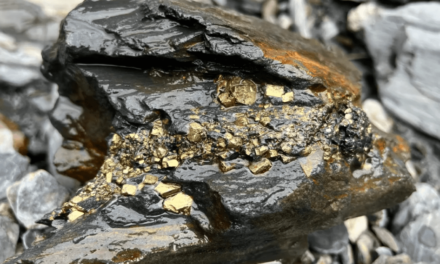
Best Practices for Responsible and Ethical Mining:
- Environmental Impact Assessments (EIA):
- Conduct thorough assessments before mining begins to identify and mitigate potential environmental risks.
- Sustainable Land Use:
- Minimize land disturbance and preserve biodiversity through proper planning and practices.
- Tailings Management:
- Implement safe disposal methods, such as dry stacking or sealed tailings ponds, to prevent contamination.
- Water Conservation:
- Recycle water, use water-efficient technologies, and treat wastewater to reduce freshwater consumption.
- Fair Labor Practices:
- Ensure safe working conditions, fair wages, and the prevention of child and forced labor.
- Community Engagement:
- Consult with local communities, provide fair compensation, and support local economies through jobs and services.
- Mine Closure and Rehabilitation:
- Develop comprehensive mine closure plans and rehabilitate land for future use (e.g., agriculture, wildlife).
- Adoption of Green Technologies:
- Invest in energy-efficient, low-emission technologies and sustainable extraction methods to minimize environmental impacts.
- Regulatory Compliance:
- Comply with local and international regulations, and meet global sustainability standards like ISO 14001.
- Biodiversity Protection:
- Protect wildlife habitats and create biodiversity offsets to compensate for unavoidable environmental impacts.
- Transparency and Reporting:
- Regularly report environmental and social performance to ensure accountability and build trust with stakeholders.