Mine reclamation is the process of restoring a mined area to a stable, productive state after mining activities have been completed. It involves a series of environmental management practices aimed at mitigating the damage caused by mining operations and ensuring that the land can be safely used for other purposes, such as agriculture, wildlife habitat, or recreational areas.
Here’s why mine reclamation is important for sustainable mining:
- Environmental Protection: Mining often leads to soil erosion, habitat destruction, and contamination of water sources. Reclamation helps restore the ecosystem by stabilizing soil, planting vegetation, and reducing pollution.
- Biodiversity Conservation: Reclaimed lands can be reforested or replanted to support local flora and fauna, helping maintain biodiversity.
- Prevention of Future Hazards: Reclamation processes like filling open pits, covering tailings (waste from mining), and managing waste piles prevent long-term environmental risks, such as toxic leakage into nearby ecosystems.
- Economic Benefits: Reclaimed lands can have secondary economic uses, such as farming, recreation, or tourism, providing income to communities after mining operations cease.
- Compliance with Regulations: Governments often require mining companies to conduct reclamation as part of the permit process to minimize long-term environmental impacts.
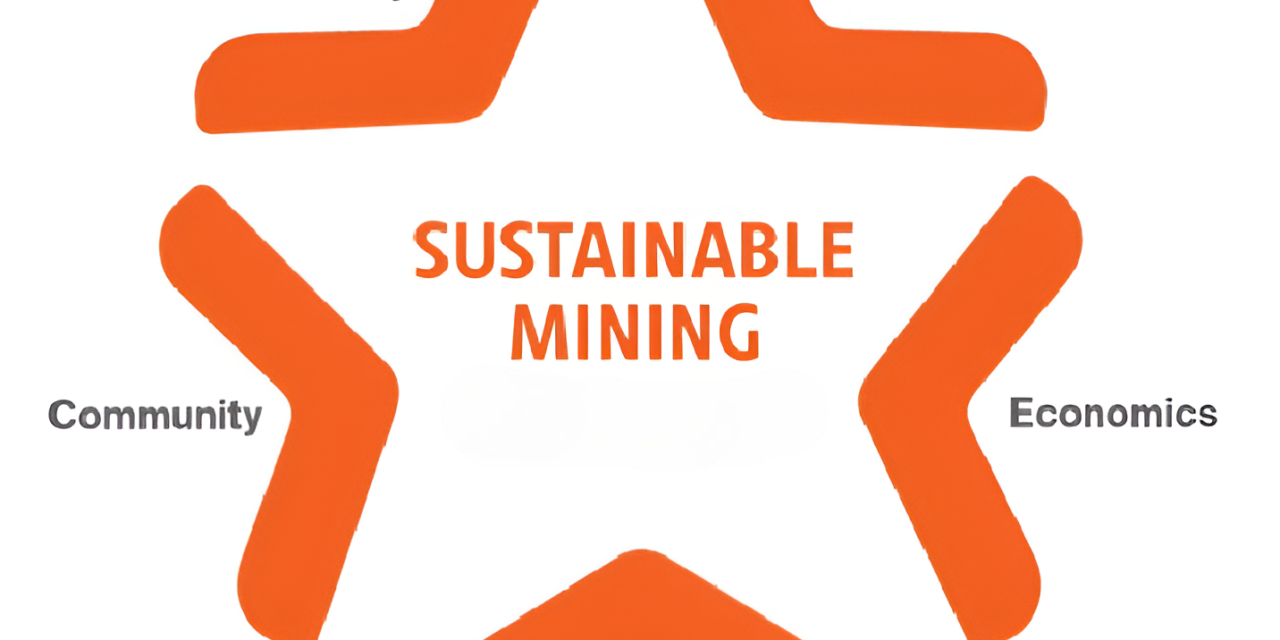
In summary, mine reclamation ensures that mining activities leave a minimal negative impact on the environment, enabling the land to be safely used again while supporting sustainable resource extraction practices.