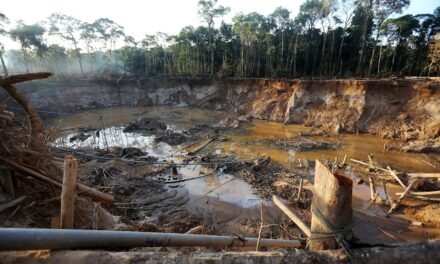
Mine reclamation and land rehabilitation are essential strategies for restoring ecosystems after surface mining operations. These processes aim to mitigate the environmental impacts of mining, restore biodiversity, improve soil and water quality, and ensure the land can be used productively again. Here’s an overview of how these strategies help restore ecosystems after mining operations:
1. Recontouring and Regrading the Land
Process:
One of the first steps in mine reclamation is recontouring the land to restore its original topography or reshape it for future uses, such as agriculture, forestry, or recreation. This involves reshaping the landscape to reduce steep slopes and stabilize the land, which is crucial for preventing soil erosion and promoting vegetation growth.
Benefits:
- Prevents Erosion: Proper regrading helps manage water flow, reducing erosion and sedimentation that can impact water quality in surrounding areas.
- Improves Stability: Stabilizing slopes and land contours reduces the risk of landslides, subsidence, and other geological hazards.
- Provides a Foundation for Replanting: Creating stable surfaces is essential for successful vegetation growth during rehabilitation.
2. Soil Restoration and Fertilization
Process:
After regrading the land, the soil quality may need to be improved for it to support plant life. This includes replenishing topsoil (which is often removed during mining) and adding nutrients to restore soil fertility. Organic matter, such as compost or mulch, is often added to enrich the soil, improving its structure and water retention capacity.
Benefits:
- Improves Soil Health: Adding organic material and nutrients enhances soil fertility, which is crucial for supporting plant life and preventing soil degradation.
- Promotes Plant Growth: Healthy soil provides the nutrients and structure needed for plants to establish roots and grow successfully.
- Enhances Biodiversity: A healthy soil ecosystem supports a diverse range of microorganisms, invertebrates, and plant species, fostering biodiversity.
3. Revegetation and Planting Native Species
Process:
Revegetation is a key aspect of mine reclamation. Native plant species are selected and planted to restore vegetation cover and stabilize the soil. These plants are chosen for their ability to thrive in the local climate and soil conditions, and they help recreate the natural habitat that existed prior to mining.
Benefits:
- Restores Habitat for Wildlife: Native plants provide food and shelter for local wildlife, helping to restore ecosystems and biodiversity.
- Prevents Erosion: Vegetation helps anchor the soil, preventing erosion caused by wind and water runoff.
- Enhances Aesthetic and Recreational Value: Once revegetated, the land can be used for recreational activities, agriculture, or forestry, contributing to local economies and well-being.
4. Wetland Creation and Stream Rehabilitation
Process:
In cases where mining operations have impacted wetlands or watercourses, reclamation efforts may include the restoration or creation of new wetlands. This involves reconstructing water channels, planting aquatic vegetation, and ensuring the proper flow and filtration of water.
Benefits:
- Water Filtration: Wetlands act as natural filters, improving water quality by trapping sediments and absorbing pollutants.
- Wildlife Habitat: Wetlands provide critical habitat for amphibians, birds, fish, and other species, helping restore biodiversity.
- Flood Control: Restored wetlands can help manage water flow, reducing the risk of flooding downstream.
5. Control of Acid Mine Drainage (AMD)
Process:
Acid mine drainage occurs when sulfide minerals exposed during mining react with water and oxygen, forming sulfuric acid that can leach harmful metals into nearby water bodies. In reclamation, the objective is to control and neutralize this acidic runoff. This is achieved through techniques like alkaline treatment (e.g., adding limestone to neutralize acidity) and constructed wetlands that filter out contaminants.
Benefits:
- Protects Water Quality: Neutralizing acid mine drainage helps restore the quality of surrounding rivers, streams, and groundwater.
- Restores Aquatic Life: Reducing the acidity of water allows fish and other aquatic organisms to thrive in previously contaminated habitats.
- Prevents Long-Term Damage: Effective treatment of AMD prevents ongoing environmental degradation from acidic water seepage.
6. Mine Waste Management and Disposal
Process:
Proper management of mine waste, including tailings, slag, and overburden, is essential for reclaiming mined land. Waste materials are often used for backfilling, regrading, or stabilizing the mine site. In some cases, waste materials are treated to reduce their environmental toxicity.
Benefits:
- Reduces Environmental Contamination: Proper disposal of mine waste minimizes the risk of contamination to soil, air, and water.
- Reduces Erosion: Using waste materials to fill mined-out areas helps prevent soil erosion and stabilize the landscape.
- Reuses Waste: By using mine waste for reclamation purposes, the need for new materials is reduced, making the process more sustainable.
7. Long-Term Monitoring and Maintenance
Process:
Reclamation is not a one-time event but an ongoing process that requires long-term monitoring and maintenance. This includes monitoring soil health, water quality, vegetation growth, and wildlife populations to ensure that the land remains stable and productive.
Benefits:
- Ensures Success: Monitoring allows for early detection of issues such as erosion, water contamination, or failure of vegetation, enabling timely corrective actions.
- Ensures Compliance: Regular monitoring ensures that mining companies comply with environmental regulations and meet their reclamation obligations.
- Long-Term Sustainability: Continued monitoring helps maintain the health and sustainability of the restored ecosystem over time.
8. Community Engagement and Social Responsibility
Process:
Successful reclamation often involves working with local communities to ensure that the restored land benefits them socially and economically. This can include creating public spaces, agricultural land, or recreational areas that improve the community’s well-being.
Benefits:
- Promotes Local Development: Restored land can be used for agriculture, tourism, or community projects, creating local jobs and economic opportunities.
- Fosters Community Support: Engaging local communities in the reclamation process ensures their support and helps meet their needs for land use and environmental quality.
- Reduces Conflict: By addressing the concerns of local communities and ensuring the land is restored to a productive use, the potential for conflict with mining companies is minimized.
9. Carbon Sequestration and Climate Change Mitigation
Process:
Revegetation efforts help sequester carbon from the atmosphere. By planting trees, grasses, and shrubs, the land can absorb CO2, which contributes to mitigating climate change.
Benefits:
- Helps Mitigate Climate Change: Plants naturally absorb carbon dioxide through photosynthesis, reducing the overall greenhouse gas concentrations in the atmosphere.
- Improves Soil Carbon Stocks: Healthy soils with restored organic matter act as carbon sinks, further contributing to climate change mitigation.
Conclusion
Mine reclamation and land rehabilitation are crucial for mitigating the environmental impacts of surface mining. By regrading the land, restoring soil fertility, revegetating with native species, managing waste materials, and addressing issues like acid mine drainage and water pollution, these strategies help restore ecosystems and enable the land to return to a productive state. Long-term monitoring and community engagement ensure the sustainability of these efforts, contributing to environmental health, biodiversity recovery, and the well-being of local communities.
Hashtags
#MineReclamation #LandRehabilitation #EcoRestoration #SustainableMining #MiningRehabilitation #RestoringEcosystems #ReclamationTech #PostMiningRestoration #EcoFriendlyReclamation #MiningRehabSolutions #SoilRestoration #EcosystemRecovery #GreenMining #ReclaimingTheLand #Revegetation #Biodiversity #EnvironmentalRestoration #SustainablePractices #MiningImpact #NatureRecovery