Automation and digital technologies play a crucial role in improving both safety and efficiency in underground mining operations. By integrating advanced systems, underground mines can reduce human exposure to hazardous environments, streamline processes, and enhance overall productivity. Here are some of the key ways these technologies contribute to mining operations:
1. Improving Safety in Underground Mining
- Reduced Human Exposure to Hazardous Environments:
- Automated Drilling and Excavation: Automation allows for drilling and excavation tasks to be carried out remotely or autonomously, reducing the need for workers to be present in potentially dangerous areas. This minimizes the risk of accidents from rockfalls, explosions, or toxic gas exposure.
- Autonomous Loaders and Haulers: Self-driving vehicles, such as automated loaders and haul trucks, operate in the mine without requiring human drivers. These vehicles navigate through tunnels and transport materials, reducing the risk of accidents associated with human error in confined spaces.
- Real-time Monitoring for Early Detection of Hazards:
- Sensor Networks and IoT: Sensors embedded throughout the mine can monitor environmental conditions, including air quality, temperature, gas levels (such as methane and carbon monoxide), and ground movement. This data is transmitted to control centers, allowing operators to monitor conditions in real time and identify potential hazards like gas leaks, temperature fluctuations, or signs of geological instability.
- Machine Learning and Predictive Analytics: By using advanced algorithms and AI, mining companies can predict hazardous events such as rockfalls, cave-ins, or seismic activity before they occur. This enables proactive measures to be taken, such as evacuating workers or reinforcing unstable areas.
- Improved Ventilation Management:
- Automated Ventilation Systems: Ventilation is critical for maintaining breathable air in underground mines. Automated ventilation systems can adjust airflow based on real-time conditions, ensuring that the mine is always adequately ventilated while optimizing energy consumption. Sensors track air quality, and adjustments are made automatically, reducing the need for manual intervention in hazardous areas.
- Ventilation-on-Demand: This system uses real-time data to optimize air distribution in the mine, adjusting airflow in different areas based on the number of workers present and the activities being performed. This reduces energy waste and improves air quality.
- Robotics and Drones for Inspection:
- Robotic Devices: Robotic systems are used to inspect hard-to-reach areas of the mine, such as underground tunnels and shafts. These devices can carry out routine inspections, detect damage, and assess the stability of underground structures, all while reducing the need for human workers to enter hazardous zones.
- Drones: Drones equipped with cameras and sensors can be used to monitor large underground mining areas. They help in visual inspections, mapping, and surveying, providing real-time data to detect any abnormalities or safety risks.
- Emergency Response and Rescue Operations:
- Autonomous Rescue Vehicles: In the event of an emergency, autonomous rescue vehicles can be deployed to assist with evacuation or search-and-rescue operations. These vehicles can operate in hazardous environments where human presence would be too dangerous.
- Robotic Medical Assistance: Some mines are experimenting with robots designed to assist in medical emergencies, delivering supplies or first aid tools to injured workers while minimizing the need for human intervention in risky situations.
2. Enhancing Efficiency in Underground Mining
- Automated Mining Equipment:
- Autonomous Drilling: Automated drill rigs can perform precise drilling operations with minimal human intervention, improving speed and accuracy. These systems can operate 24/7, enhancing overall productivity.
- Automated Loaders and Haul Trucks: Self-driving vehicles transport ore from underground tunnels to the surface, increasing the speed of material handling. These vehicles reduce idle time, improve fuel efficiency, and lower operational costs by optimizing routes and schedules.
- Advanced Process Control and Optimization:
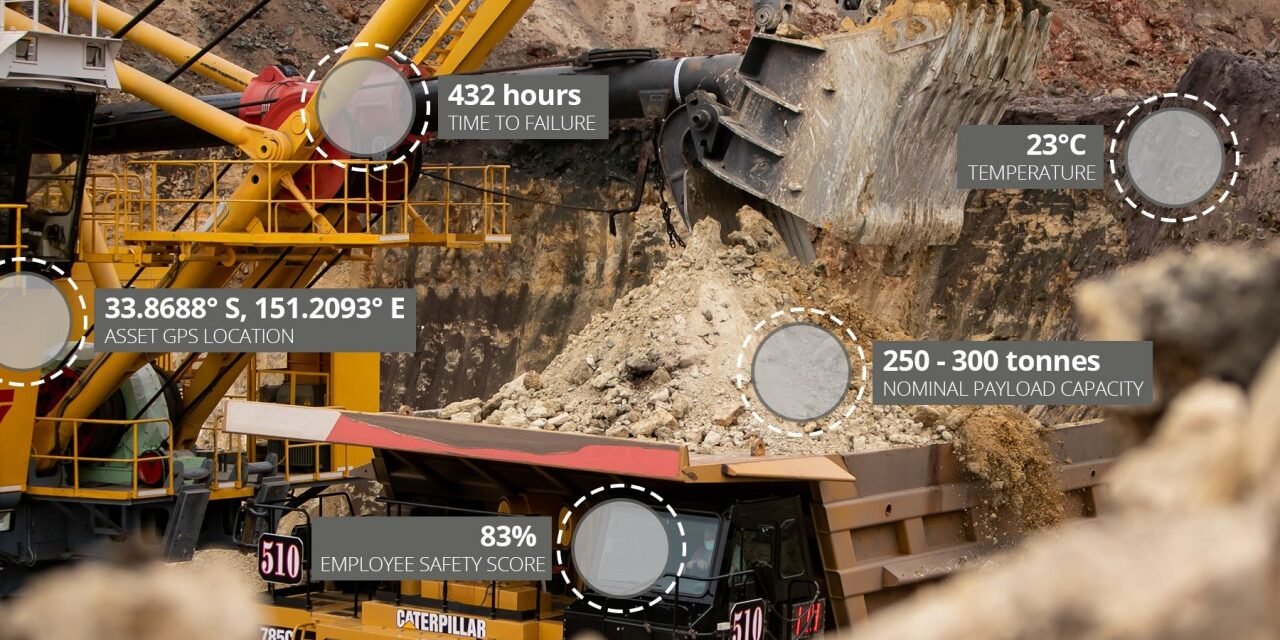
- Real-time Data Analysis: Sensors throughout the mine provide real-time data on operations, which can be analyzed using big data and machine learning algorithms. This data can be used to optimize drilling, loading, and hauling processes, helping to improve efficiency and reduce costs.
- Optimization of Mining Schedules: Digital technologies allow mining companies to create highly efficient work schedules by considering factors such as ore body geometry, equipment availability, and workforce shifts. This ensures that mining operations are carried out in the most efficient sequence, reducing downtime and maximizing resource extraction.
- Fleet Management Systems:
- Vehicle Tracking and Maintenance: Automated fleet management systems track the location, speed, and performance of mining vehicles, ensuring that they operate at optimal efficiency. These systems can predict when maintenance is required, helping to avoid unexpected breakdowns and minimize downtime.
- Optimized Fleet Routing: Automated systems use real-time data to calculate the best routes for hauling materials, reducing fuel consumption, and wear and tear on equipment. Efficient route planning also minimizes congestion in narrow underground tunnels, leading to more fluid operations.
- Digital Twin Technology:
- Virtual Mine Models: A digital twin is a virtual replica of the mine, created using real-time data from sensors and equipment. This model allows operators to simulate various mining scenarios, optimize mining strategies, and identify inefficiencies or potential safety hazards without disrupting actual operations.
- Predictive Maintenance: By analyzing data from underground equipment, the digital twin can predict when a piece of equipment is likely to fail, allowing maintenance to be scheduled before a breakdown occurs. This proactive approach reduces costly downtime and extends the life of equipment.
- Automated Material Handling and Sorting:
- Automated Sorting Systems: In some underground mining operations, automated sorting systems use sensors (such as X-ray, laser, and optical sensors) to separate valuable ore from waste material. This reduces manual labor, increases throughput, and ensures higher recovery rates.
- Conveyor Systems: Automated conveyor belts are used to transport ore to processing areas or surface storage. These systems can be controlled remotely, enabling continuous material handling and reducing labor costs associated with manual transport.
3. Improved Data Management and Communication
- Real-time Data Sharing: Digital technology allows for seamless communication between underground workers, control centers, and surface operations. Real-time data can be accessed from any location, ensuring that decision-makers are informed about the current state of operations.
- Collaborative Platforms: Digital platforms that aggregate data from multiple sources can be used for collaborative decision-making, allowing teams to coordinate more effectively and respond faster to changing conditions.
- Wireless Communication Systems:
- Wi-Fi and Mesh Networks: Wireless networks and mesh communication systems in underground mines provide reliable connectivity for data transmission, enabling continuous monitoring and real-time updates without the need for wired connections, which are prone to failure in harsh conditions.
- Wearable Devices: Workers can wear smart helmets, sensors, or augmented reality (AR) glasses that provide real-time data and communication with the control center. This technology improves situational awareness, allows for remote assistance, and enhances overall safety.
Conclusion
The integration of automation and digital technologies into underground mining operations leads to significant improvements in both safety and efficiency. By reducing human exposure to dangerous environments, enhancing the speed and precision of operations, and providing real-time data for informed decision-making, these technologies help mines operate more productively and safely. As technology continues to advance, it is expected that these improvements will lead to even more sustainable, cost-effective, and safe underground mining practices.
Hashtags
#MiningAutomation #DigitalMining #SmartMining #MiningSafetyTech #MiningInnovation #TechInMining #UndergroundAutomation #MiningEfficiency #MiningDigitalization #SaferMines #AutomatedMining #DigitalMiningSolutions #MiningTechRevolution #MiningSafetyInnovation #FutureOfMining #MiningTechnology #SustainableMining #MiningIndustry4_0 #AIinMining #MiningTrends