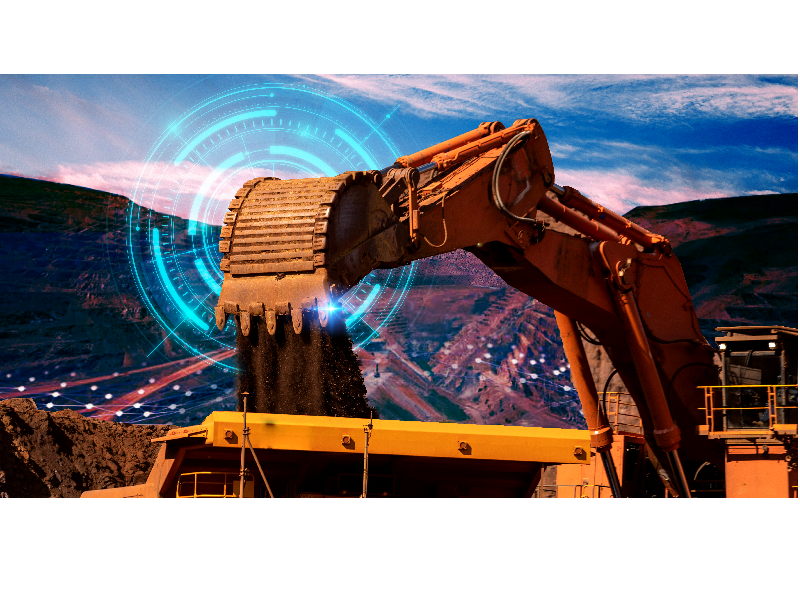
Advancements in placer mining technology are significantly improving efficiency and reducing the environmental impact of operations. These innovations aim to increase gold and gemstone recovery rates, reduce harmful environmental practices like mercury use, and minimize disturbances to waterways, soil, and ecosystems. Here are some of the key technological advancements in placer mining:
1. Automated and Semi-Automated Equipment
- Improved Sluice Boxes: Traditional sluice boxes have been enhanced with improved riffles and flow control designs, which help to better trap gold and other heavy minerals, increasing recovery rates. Some modern sluices are automated, adjusting water flow and incline to optimize recovery.
- High-Efficiency Dredges: Advanced dredging technology uses automated systems to precisely extract sediment, separate gold, and reduce material loss. Hydraulic dredgers are designed to extract materials without causing as much disturbance to aquatic ecosystems compared to older, more disruptive methods.
- Semi-Automated Panning Machines: In some artisanal operations, automated gold panning machines are being used to replace manual panning, increasing recovery speed and consistency, while reducing labor and exposure to environmental risks.
2. Mercury-Free Gold Extraction
Mercury has long been used in artisanal mining for gold extraction, but it poses significant environmental and health risks. New technologies are addressing this issue:
- Gravity-Based Separation: New gravity-based methods like shaker tables and Knelson concentrators have been developed to replace mercury in the gold recovery process. These devices use centrifugal force or vibration to separate heavy materials (like gold) from lighter particles, dramatically reducing the need for harmful chemicals.
- Thiosulfate Leaching: An emerging technology for gold extraction, thiosulfate leaching uses a nontoxic chemical solution instead of cyanide or mercury. This environmentally friendly method can increase gold recovery while reducing the impact on water systems.
- Bioleaching: This process uses bacteria and other microorganisms to help extract gold from ores without the use of mercury or toxic chemicals. While still in early stages of development for placer mining, bioleaching has shown promise in reducing environmental impact.
3. Environmentally Friendly Water Treatment Systems
- Sediment Control: Innovations in sediment control, like hydrocyclones and geotextile fabrics, help minimize the impact of placer mining on riverbeds and surrounding areas by reducing sedimentation in water bodies. These systems trap fine particles and keep them from being carried downstream, helping maintain water quality.
- Water Recycling and Filtration Systems: Closed-loop water systems and advanced filtration techniques, such as reverse osmosis and biological filtration, are increasingly used to treat water in placer mining operations. These systems clean and recycle water, reducing the need for fresh water and minimizing contamination from sediment and chemicals.
- Water Treatment with Phytoremediation: In some regions, phytoremediation (using plants to absorb pollutants) is being tested as an eco-friendly way to treat contaminated water. Plants can help remove toxic substances from water, such as mercury, which is often used in artisanal mining.
4. Remote Monitoring and Data Analytics
- Real-Time Monitoring: The use of Internet of Things (IoT) sensors, drones, and remote cameras allows operators to monitor placer mining activities in real-time, ensuring that equipment is operating at optimal efficiency. This technology also provides data on water quality, sediment levels, and environmental conditions, enabling better decision-making and quicker response to issues.
- Geographic Information Systems (GIS): GIS technology is used to map and analyze placer deposits, helping operators identify the most efficient mining sites and predict where resources are most concentrated. GIS data can also be used for environmental impact assessments and to monitor changes in ecosystems over time.
- Artificial Intelligence (AI): AI algorithms are being integrated into placer mining operations to analyze data from sensors and cameras to optimize resource extraction and environmental management. AI can help identify patterns in mineral distribution, improve the design of mining processes, and predict potential environmental impacts, such as the risk of flooding or erosion.
5. Sustainable Mining Practices and Certification Programs
- Fairmined Certification: The Fairmined certification program promotes responsible mining practices, including sustainable mining techniques, community development, and the elimination of toxic chemicals like mercury. This certification encourages miners to adopt cleaner and more efficient technologies while maintaining fair wages and improving working conditions.
- Sustainable Mining Equipment: Companies are increasingly developing equipment with low emissions and energy-efficient systems to reduce the environmental footprint of placer mining. Some operations now use electric-powered dredgers or machinery that runs on renewable energy sources such as solar or wind.
6. Eco-Friendly Gold Recovery Methods
- Electrostatic Separation: This is an innovative method being used to extract gold from placer deposits without the need for toxic chemicals or mercury. Electrostatic separators use electrical charges to attract and separate gold particles from other materials, offering a cleaner method of recovery.
- Centrifugal Concentrators: Centrifugal concentrators like the Knelson concentrator and the Falcon concentrator are becoming more widespread in placer mining operations. These devices use centrifugal force to separate gold from lighter materials with greater efficiency than traditional methods.
7. Restorative Mining Techniques
- Land Reclamation and Reforestation: Following the completion of mining activities, newer practices in land reclamation and reforestation help restore ecosystems disrupted by placer mining. Techniques such as replanting native vegetation, creating wetland areas to filter water, and reshaping riverbeds are being employed to help mitigate the long-term environmental effects of mining.
- Rehabilitation of Waterways: Companies are increasingly focusing on the rehabilitation of waterways impacted by placer mining. This includes dredging techniques that return sediment and waste materials to their natural state, minimizing long-term damage to aquatic ecosystems.