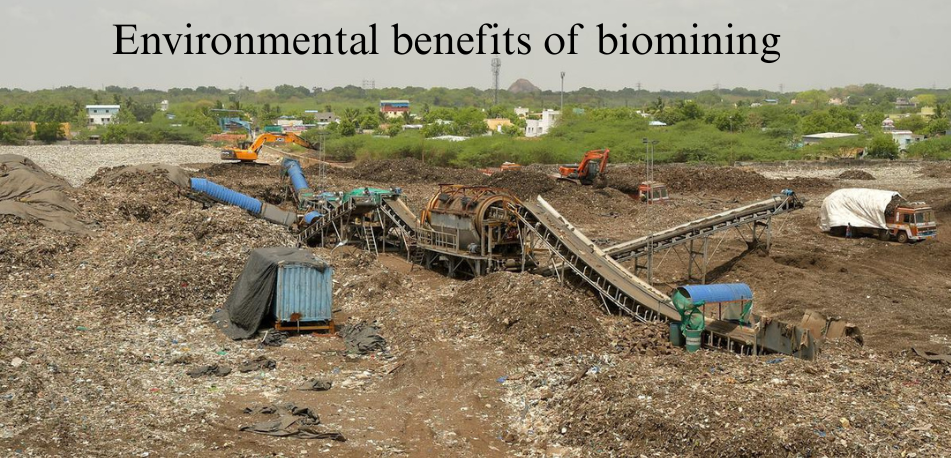
Biomining offers several significant environmental benefits compared to conventional mining and smelting processes, making it a more sustainable and eco-friendly alternative. These benefits primarily stem from the fact that biomining leverages natural biological processes for metal extraction, which tend to be less energy-intensive and produce fewer harmful byproducts. Below are the key environmental advantages of biomining over traditional mining and smelting:
1. Reduced Energy Consumption
- Conventional mining and smelting: Traditional mining and smelting processes are energy-intensive. For example, in smelting, high temperatures (often exceeding 1,000°C) are required to melt ores and extract metals. This requires significant amounts of fossil fuels and electricity, contributing to high greenhouse gas emissions and environmental degradation.
- Biomining: Biomining typically operates at much lower temperatures and pressures, using microorganisms to extract metals at ambient or mild temperatures (20-40°C). The process is far less energy-intensive and therefore results in lower carbon emissions and a smaller overall environmental footprint.
2. Lower Carbon Emissions
- Conventional mining and smelting: The use of high-temperature furnaces, chemical agents (such as sulfuric acid or cyanide), and large-scale machinery in conventional mining operations leads to significant carbon emissions and air pollution. Additionally, the transportation of ores and the operation of heavy mining equipment contribute to greenhouse gas emissions.
- Biomining: Biomining is more carbon-efficient because it doesn’t require the same amount of energy to heat ores or extract metals. Since the process uses natural microorganisms, which do not rely on combustion or high-energy inputs, the overall carbon emissions are much lower. The use of microbes also reduces the need for harsh chemicals that can emit harmful gases.
3. Reduced Use of Harmful Chemicals
- Conventional mining and smelting: Traditional mining methods often involve the use of toxic chemicals such as cyanide (used in gold extraction) and sulfuric acid (used in copper and nickel extraction). These chemicals can have detrimental effects on the environment, contaminating nearby water sources, soils, and ecosystems. Cyanide, in particular, poses risks to aquatic life and can lead to the destruction of biodiversity if not carefully managed.
- Biomining: Biomining generally uses non-toxic, environmentally friendly methods. In bioleaching, for example, microorganisms naturally oxidize metal sulfides to release metal ions, a process that does not require harsh chemicals. When chemicals are used, they are often in much smaller quantities, and they are typically organic acids or other less harmful substances. This reduces the risk of chemical pollution and contamination.
4. Less Habitat Destruction
- Conventional mining and smelting: Conventional mining methods, especially open-pit mining, result in significant habitat destruction, deforestation, and soil erosion. Large amounts of land are disturbed, and ecosystems can be permanently altered. Additionally, the use of heavy machinery and explosives causes disruption to surrounding wildlife habitats.
- Biomining: Biomining, on the other hand, has a significantly lower environmental impact in terms of land use. The process can be conducted in situ, meaning that the extraction of metals can occur without the need for large-scale excavation or disruption of the surrounding environment. Biomining operations typically disturb less land and have a smaller physical footprint, preserving more natural habitats.
5. Reduced Water Consumption and Pollution
- Conventional mining and smelting: Traditional mining operations often require vast amounts of water to process ores, wash sediments, and manage tailings. In some regions, this can place a strain on local water resources. Moreover, water used in mining can become contaminated with toxic metals and chemicals, leading to the pollution of nearby rivers, lakes, and groundwater sources.
- Biomining: Biomining is generally more water-efficient because it uses leaching solutions that are often recirculated and re-used, reducing the need for large volumes of fresh water. Additionally, the risk of water pollution is minimized because fewer toxic chemicals are used. The microorganisms involved in biomining can also help to mitigate pollution by breaking down contaminants and reducing the presence of harmful substances in the leachate.
6. Reduced Toxic Waste Generation
- Conventional mining and smelting: Conventional mining processes, especially those involving smelting, produce large amounts of waste, including slag, tailings, and heavy-metal-laden byproducts. These wastes can contain toxic substances such as arsenic, mercury, and lead, which pose long-term environmental and health risks if not properly managed.
- Biomining: Biomining generates significantly less waste compared to conventional methods. The process is more selective in extracting metals from ores, and the byproducts are typically less toxic. Additionally, some biomining techniques, such as biosorption and bioaccumulation, can be used to recover valuable metals from waste streams and tailings, reducing the overall volume of waste that needs to be managed and mitigating the environmental impact of mining byproducts.
7. Potential for Environmental Remediation
- Conventional mining and smelting: Mining operations can often result in environmental degradation that persists long after mining has ceased. Contaminated land, water, and ecosystems can take decades or even centuries to recover.
- Biomining: Biomining can also be used for environmental remediation, or bioremediation, by recovering metals from polluted environments. For example, bacteria and fungi can be used to remove or recover heavy metals from contaminated soils, mining waste, or water bodies. This ability to recover metals from environmental waste streams provides a dual benefit: it cleans up the environment while also extracting valuable resources.
8. Lower Environmental Footprint from Tailings
- Conventional mining and smelting: Tailings produced during conventional mining processes can occupy vast amounts of land and often contain toxic metals and chemicals. These tailings can be a long-term source of pollution if not properly stored or treated.
- Biomining: Biomining has the potential to reduce the environmental impact of tailings. The use of microorganisms to recover metals from tailings and waste can help to clean up and reuse mining byproducts, turning waste materials into valuable resources. Additionally, less tailings are produced because the biomining process is more efficient at extracting metals from ores.
9. Sustainability and Long-Term Benefits
- Conventional mining and smelting: Traditional mining methods are often unsustainable in the long run, especially as higher-grade ores become depleted and mining companies are forced to extract metals from more challenging and lower-quality ores. These processes also lead to the accumulation of waste and environmental degradation that can last for centuries.
- Biomining: Biomining is generally considered a more sustainable option because it can process low-grade ores that are not economically viable for conventional mining. As a result, biomining allows for the extraction of metals from ores that would otherwise be left unexploited, contributing to more efficient use of natural resources and extending the life of existing mineral deposits.
Conclusion
Biomining offers substantial environmental benefits compared to conventional mining and smelting processes. It reduces energy consumption, carbon emissions, and chemical pollution, while minimizing habitat destruction, water usage, and toxic waste generation. Biomining’s ability to recover metals from low-grade ores and waste materials further enhances its sustainability, positioning it as a more eco-friendly alternative to traditional mining. While biomining is not a perfect solution and is still developing, its potential to create a greener, more sustainable mining industry is clear.
Hashtags
#Biomining #EcoMining #GreenMining #SustainableExtraction #Bioleaching #EcoFriendlyMining #CleanExtraction #LowImpactMining #CircularEconomy #BiotechnologyInMining #SustainableMining #MiningInnovation #EnvironmentalImpact #ResourceRecovery #MiningTechnology #GreenTech #EcoConscious #MineralRecovery #WasteReduction #FutureOfMining