The beneficiation and refining of organic minerals (such as humic substances, oil shale, coal, and fossil resins) require specialized techniques tailored to the unique characteristics of these minerals. These processes focus on improving quality, removing impurities, and optimizing the extraction of valuable components. Here are some of the most effective techniques for processing organic minerals:
1. Beneficiation of Organic Minerals
Beneficiation typically involves processes to concentrate the valuable organic mineral content and remove unwanted impurities. Key beneficiation techniques for organic minerals include:
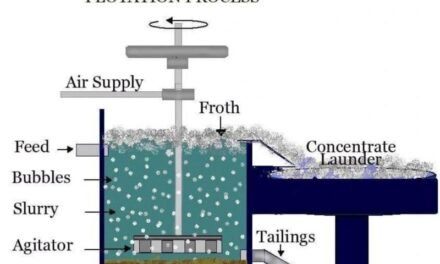
a. Flotation
- Flotation is used to separate organic minerals from impurities based on differences in surface properties.
- Application: Common in the beneficiation of coal and oil shale, where hydrophobic organic matter (such as kerogen or humic acids) is separated from hydrophilic impurities (like clay and minerals).
- Process: Fine particles are mixed with water and chemicals to selectively adhere to air bubbles and float, while unwanted minerals sink.
b. Gravity Separation
- Gravity separation exploits the differences in density between the organic mineral and the gangue (non-valuable material).
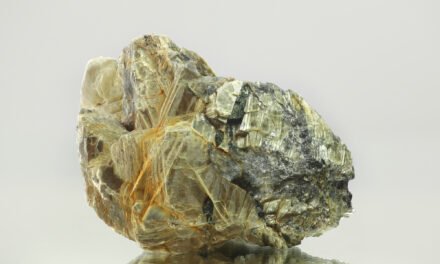
- Application: Used for separating heavier organic minerals, such as fossil resins (amber), from lighter waste material.
- Process: The material is subjected to a flow of water or air that sorts the organic minerals based on their weight, with the denser material moving in a different direction than the lighter impurities.
c. Magnetic Separation
- Magnetic separation is used to remove ferromagnetic minerals or impurities that are present in the organic mineral deposit.
- Application: Particularly useful for removing unwanted iron-bearing materials from organic ores.
- Process: The material is passed through a magnetic field that attracts and removes magnetic particles, improving the purity of the organic minerals.
d. Chemical Leaching
- Chemical leaching is used to selectively dissolve or alter the chemical composition of organic minerals and remove impurities.
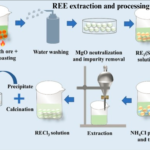
- Application: Used for certain organic minerals, such as humic acids, to extract them from complex matrices like peat, lignite, or shale.
- Process: The organic material is exposed to acids or alkalis (e.g., sulfuric acid, potassium hydroxide) that selectively dissolve organic components, leaving behind inorganic impurities.
2. Refining Techniques for Organic Minerals
Refining techniques focus on purifying organic minerals to remove contaminants and enhance their commercial value. These processes typically involve thermal, chemical, and physical methods.
a. Thermal Treatment (Pyrolysis)
- Pyrolysis is a thermal decomposition process that breaks down complex organic compounds (like kerogen in oil shale) at high temperatures in the absence of oxygen.
- Application: Used in the extraction of oil and gas from oil shale and the conversion of coal into synthesized fuels (such as coke or gas).
- Process: The organic material is heated to temperatures typically between 400°C and 1000°C, causing it to break down into simpler molecules, such as hydrocarbons, syngas, and char. This process produces valuable byproducts while removing excess carbon and sulfur.
b. Solvent Extraction
- Solvent extraction is a process used to dissolve organic minerals or their components into a solvent, followed by separation and purification.
- Application: Commonly used for extracting humic acids from peat or coal and kerogen from oil shale.
- Process: Organic minerals are treated with specific solvents (e.g., toluene, xylene, hexane), which selectively dissolve the target organic material. The solvent is then removed through distillation or evaporation, leaving behind a purified organic compound.
c. Distillation
- Distillation is used to separate organic minerals or substances based on their boiling points.
- Application: Used in the refining of kerogen and oils from oil shale, as well as for separating different volatile organic compounds from organic-rich ores.
- Process: The organic materials are heated to convert them into vapors, which are then condensed and collected at different temperatures, allowing for the separation of valuable organic components.
d. Hydrothermal Treatment
- Hydrothermal treatment involves the use of water at high pressures and temperatures to break down organic minerals or enhance their extractability.
- Application: This method is applied in oil shale processing and can also be used to modify the properties of certain humic substances.
- Process: The material is treated with hot, pressurized water, often combined with chemical additives, which helps to soften and dissolve complex organic molecules like kerogen, making them easier to extract and refine.
e. Acid Leaching
- Acid leaching is used to dissolve specific organic components or metals from mineral ores, leaving behind impurities.
- Application: Used in extracting humic acids or in the cleaning of organic minerals from shale and coal.
- Process: The organic mineral is treated with strong acids, like sulfuric acid or nitric acid, to solubilize certain compounds, which are then separated from the remaining material.
f. Bioleaching (Biological Extraction)
- Bioleaching uses microorganisms to extract specific organic minerals or components from ores.
- Application: Emerging technique for the extraction of certain humic substances and even rare organic materials from coal and shale.
- Process: Specific microorganisms are introduced to the ore, which break down organic matter and enhance the extraction of target organic minerals, reducing the need for harsh chemicals.
3. Integrated Techniques for Organic Mineral Processing
Sometimes, integrated approaches combine multiple beneficiation and refining methods to maximize efficiency and product quality. For instance:
- Dual-stage pyrolysis combined with solvent extraction is used for oil shale to maximize hydrocarbon recovery while minimizing environmental impact.
- Flotation followed by chemical leaching is applied in coal processing to increase the yield of organic material (such as humic acids) while reducing sulfur content.