The primary extraction methods for organic minerals like oxalates, humic acids, and fossil resins (e.g., amber) vary based on their composition, formation, and intended use. These methods typically involve physical, chemical, or mechanical processes tailored to extracting specific organic substances. Here’s a look at how each of these organic minerals is extracted:
1. Oxalates
Oxalates are organic compounds that contain the oxalate ion (C₂O₄²⁻) and are often found as minerals in soils, plants, and certain minerals. In the context of extraction, they may be obtained from plants or mineral sources.
Extraction Methods:
- From Plants: Oxalates are often extracted from plants like spinach, rhubarb, and tea by:
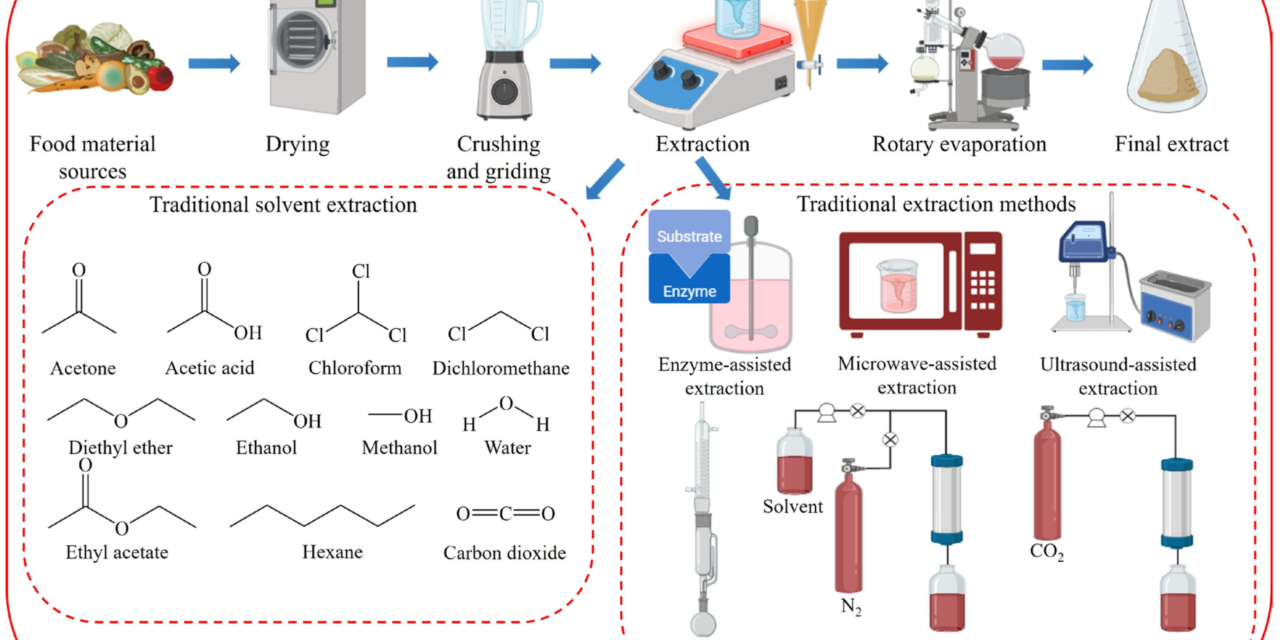
- Leaching: In this process, the plant material is soaked in water to dissolve the soluble oxalates. The water is then filtered to separate the liquid containing the oxalates.
- Acid Extraction: In some cases, acids like sulfuric acid are used to break down the plant material and release the oxalates into the solution.
- From Minerals: Oxalate minerals like whewellite and weddellite can be extracted by:
- Solvent Extraction: The mineral is crushed and treated with solvents or acids to dissolve the oxalate compounds.
- Heat Treatment: Some oxalates are obtained by heating organic material that contains oxalate precursors, leading to the formation of oxalates.
Applications:
- Used in fertilizers, chemicals, and sometimes as a precursor to other compounds.
2. Humic Acids
Humic acids are a group of organic acids found in soil, peat, coal, and compost, formed through the decay of plant and animal matter. They are often extracted for agricultural, environmental, and industrial uses.
Extraction Methods:
- Alkaline Extraction: This is the most common method for extracting humic acids:
- Shale or Peat Processing: The material (often peat or lignite coal) is treated with alkaline solutions (such as potassium hydroxide or sodium hydroxide).
- Solubilization: The alkaline solution dissolves the humic substances into a soluble form.
- Acid Precipitation: The solution is then treated with acid (often hydrochloric acid), causing the humic acids to precipitate out, while other soluble compounds remain in the solution.
- Physical Methods: Less common, but microwave-assisted extraction and ultrasonic extraction are emerging methods to extract humic substances more efficiently, especially when high concentrations of humic acids are required.
Applications:
- Agriculture: Used as a soil conditioner and fertilizer.
- Water Treatment: Used in wastewater treatment for heavy metal removal.
- Industrial: As a binder in the coal industry or in pharmaceuticals.
3. Fossil Resins (e.g., Amber)
Fossil resins, like amber, are organic minerals formed from the sap of ancient trees that have undergone polymerization and fossilization over millions of years. Amber, one of the most well-known fossil resins, can be found in deposits around the world.
Extraction Methods:
- Mining: Fossil resins like amber are typically extracted from surface deposits, often found in sedimentary rocks or riverbeds. The key methods include:
- Open-Pit Mining: Amber deposits are often located in sandstone or clay layers, where surface mining methods like open-pit mining or strip mining are used.
- Hydraulic Mining: In some cases, water jets are used to loosen the amber from the surrounding sediment, allowing for easier extraction.
- Hand-Picking: In areas like the Baltic region, amber can be gathered by hand from the surface or riverbeds, especially after storms or floods that expose new amber pieces.
- Washing and Sorting: After extraction, the raw amber is typically washed to remove dirt and debris. It is then sorted by size, color, and quality, often for use in jewelry, crafts, or scientific analysis.
Applications:
- Jewelry: Amber is primarily used in the jewelry industry for beads, necklaces, and earrings.
- Medicine: Historically, amber has been used in traditional medicine for its purported healing properties.
- Fossil Studies: Amber is valued in paleontology for preserving insects, plant material, and other organisms trapped within it millions of years ago.