Surface mining and underground mining are two primary methods of extracting minerals and ores from the Earth, and they differ significantly in terms of cost, efficiency, and environmental impact. Here’s a breakdown of the key differences:
1. Surface Mining
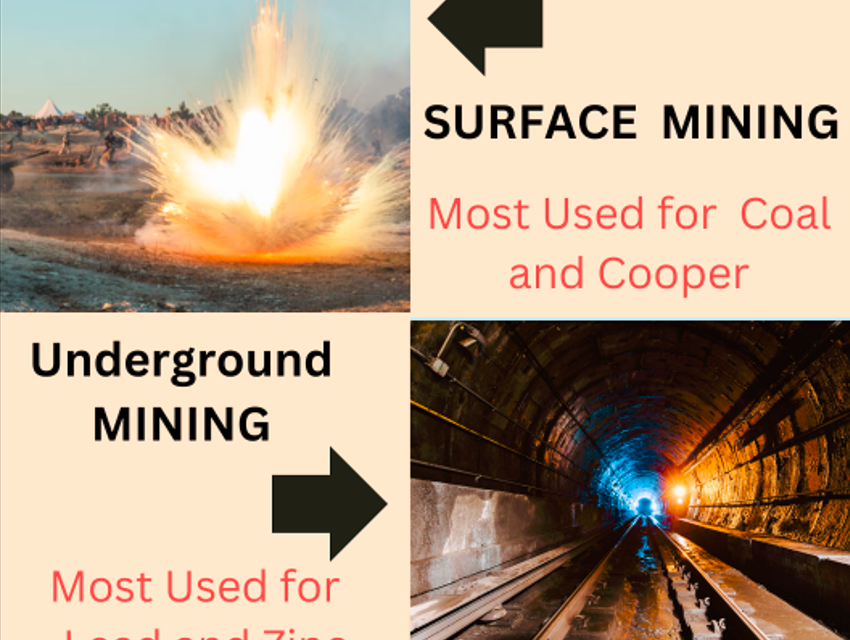
Surface mining involves removing overlying soil and rock (known as overburden) to access mineral deposits near the Earth’s surface. This method is commonly used for extracting materials like coal, metals (such as copper and gold), and aggregates.
Key Types of Surface Mining:
- Open-pit Mining: Extracting ore from large, terraced pits.
- Strip Mining: Removing layers of soil and rock to access horizontal ore bodies, often used for coal extraction.
- Mountaintop Removal: Removing the top of a mountain to reach coal seams.
- Placer Mining: Extracting valuable minerals from riverbeds or alluvial deposits.
Cost:
- Lower Operating Costs: Surface mining generally has lower operational costs compared to underground mining because it does not require complex infrastructure like tunnels, shafts, or ventilation systems. The equipment used for surface mining (e.g., large trucks, excavators) is typically less expensive to operate and maintain.
- Example: Open-pit mining can often be more cost-effective for large-scale ore bodies that are close to the surface.
Efficiency:
- Higher Efficiency for Shallow Ore Bodies: Surface mining is typically more efficient for extracting ore bodies that are located close to the surface. The use of large-scale equipment allows for the rapid extraction of large quantities of ore, making the process faster than underground mining.
- Example: Open-pit mining can be highly efficient when extracting metals from large, spread-out ore bodies.
Environmental Impact:
- Greater Surface Disruption: Surface mining is generally more disruptive to the environment than underground mining. The removal of overburden can result in significant landscape alterations, deforestation, and habitat destruction. Additionally, dust and noise pollution from large mining equipment can affect surrounding ecosystems and communities.
- Example: Mountaintop removal mining has been heavily criticized for its environmental impact, including the destruction of mountain ecosystems and pollution of water sources.
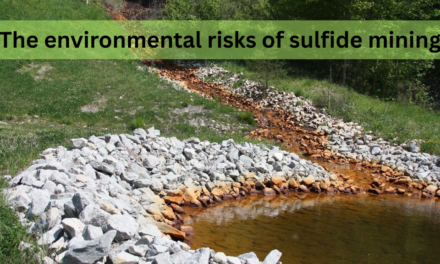
- Waste Disposal: The vast quantities of waste rock and tailings produced can contribute to water pollution if not managed properly.
2. Underground Mining
Underground mining involves accessing mineral deposits deep below the Earth’s surface by creating tunnels or shafts. This method is typically used for ores that are located too deep for efficient surface extraction.
Key Types of Underground Mining:
- Shaft Mining: Vertical tunnels are dug to reach deep ore bodies, and materials are brought to the surface via lifts or hoists.
- Drift Mining: Horizontal tunnels are created at an inclined angle to access ore deposits.
- Sublevel Stoping and Cut-and-Fill Mining: These methods involve the creation of tunnels and removal of ore in controlled stages.
Cost:
- Higher Capital and Operating Costs: Underground mining is more expensive than surface mining due to the need for specialized equipment, infrastructure (e.g., tunnels, ventilation, elevators), and safety measures. The initial capital investment to set up an underground mine is significantly higher.
- Example: Building and maintaining shafts and tunnels, installing ventilation systems, and ensuring worker safety can make underground mining operations more costly.
Efficiency:
- Lower Efficiency for Deep Ore Bodies: Underground mining is less efficient than surface mining when it comes to extracting ore from deep ore bodies because of the additional challenges associated with accessing the deposit (e.g., excavation of tunnels, maintaining stability, and transporting ore to the surface).
- Example: The extraction rate in underground mining tends to be lower because of the complexity of operating in confined spaces.
Environmental Impact:
- Lower Surface Impact: Underground mining typically has a lower impact on the surface environment compared to surface mining. It doesn’t require large-scale land disturbance, such as deforestation, and the surrounding ecosystem is often left intact. However, underground mining can still cause land subsidence and affect groundwater systems.
- Example: Although the surface is left undisturbed, underground mining can result in the subsidence of land above the mine, leading to potential damage to infrastructure and local ecosystems.
- Water Contamination: Underground mines often require water for processing and cooling, and groundwater contamination is a potential risk. Additionally, acid mine drainage (from certain minerals like sulfur) can pose environmental concerns, leading to pollution of nearby water bodies.
4. Choosing Between Surface and Underground Mining
The decision to use surface mining or underground mining depends on several factors, including:
- Depth and Size of the Ore Body: If the ore body is close to the surface, surface mining is typically more cost-effective and efficient. For deeper ore bodies, underground mining may be the only option.
- Environmental Regulations: In areas with strict environmental regulations, underground mining may be preferred to minimize surface disruption.
- Resource Economics: The economic value of the resource, along with the cost of extraction and the expected return on investment, will guide the choice of mining method.
- Surface mining is ideal for large, shallow ore bodies and offers cost advantages and higher efficiency, but it comes with significant environmental impacts, including habitat destruction and waste management challenges.
- Underground mining, while more expensive and less efficient, is a necessary method for accessing deep ore bodies with less surface disturbance. However, it still presents environmental and safety challenges.
As environmental regulations and sustainability concerns become more prominent, mining companies are increasingly exploring ways to mitigate the negative impacts of both surface and underground mining through advanced technologies, waste management practices, and energy-efficient systems.