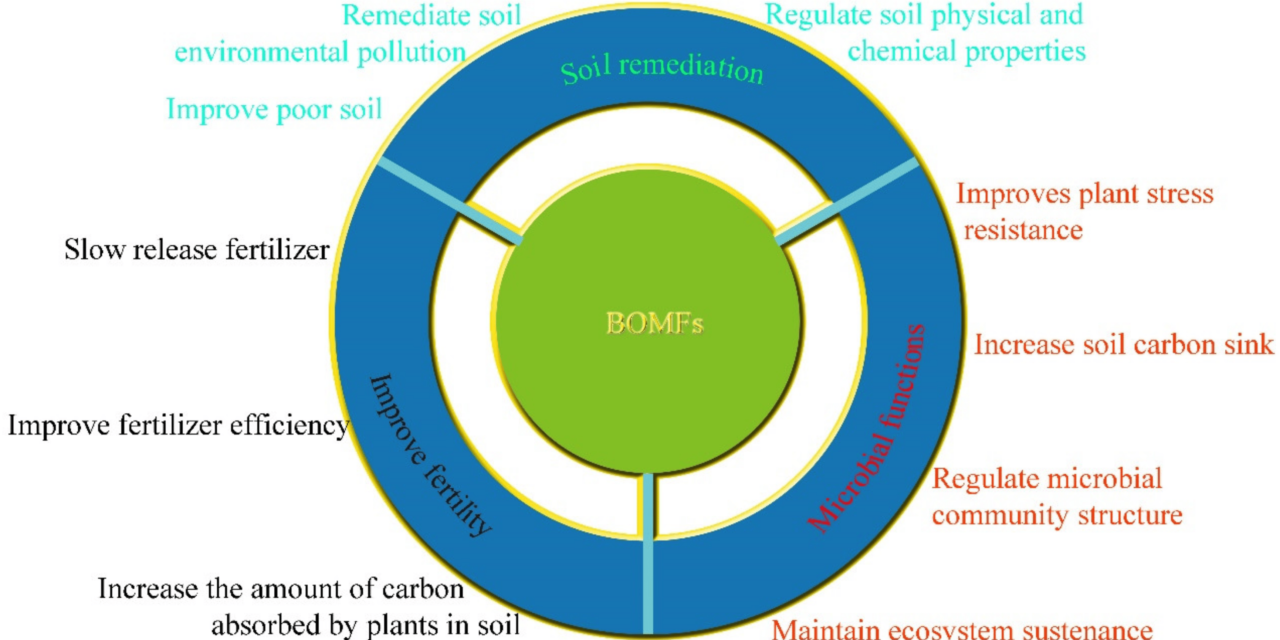
Organic minerals are expected to play a crucial role in green energy, carbon sequestration, and environmental remediation in the future due to their ability to interact with biological and chemical processes that benefit the environment. Their role in sustainable development is becoming more recognized as industries shift towards eco-friendly practices and solutions to combat climate change and environmental degradation. Here’s how organic minerals will contribute to these areas:
1. Green Energy
Organic minerals can help advance green energy solutions in several ways, particularly in the development of renewable energy sources, biofuels, and energy storage systems.
- Biofuels and Biogas Production: Organic minerals, such as those derived from biomass (e.g., lignin), can be used as feedstock in the production of biofuels (ethanol, biodiesel) or biogas through processes like anaerobic digestion. These biofuels are renewable, produce lower carbon emissions than fossil fuels, and can be integrated into the existing energy infrastructure.
- Biochar for Energy Storage: Biochar, an organic material created through the pyrolysis of biomass, is increasingly being researched for its potential role in energy storage. Due to its high surface area and electrical conductivity, biochar is being explored as an electrode material for supercapacitors and batteries, which could improve energy storage in renewable energy systems like wind and solar power.
- Sustainable Hydrogen Production: Organic minerals may also contribute to the development of sustainable hydrogen production through bio-hydrogen processes. Organic waste and minerals can be used as catalysts or feedstock in the production of hydrogen via bio-electrochemical systems or biomass gasification.
2. Carbon Sequestration
One of the most promising roles for organic minerals in the future is in carbon sequestration. As the world moves toward combating climate change, organic minerals can help mitigate the effects of greenhouse gases (GHGs), particularly carbon dioxide (CO₂), by absorbing and storing carbon in the environment.
- Biochar in Soil: Biochar, created from organic minerals, is one of the most effective ways to sequester carbon. When added to soils, biochar can store carbon for hundreds to thousands of years, acting as a carbon sink. This can offset some of the carbon emissions produced by industrial activities and agriculture.
- Peatlands and Wetlands Restoration: Peat, a carbon-rich organic mineral, is naturally a significant carbon sink. By preserving and restoring peat bogs and wetlands, we can maintain their carbon-storing capabilities. Peatlands hold a large proportion of the world’s soil carbon, and their restoration could play a major role in global carbon sequestration efforts.
- Carbon Capture Technologies: Organic minerals are also being integrated into carbon capture and storage (CCS) technologies. For example, certain organic compounds and minerals can bind with CO₂ and prevent it from being released into the atmosphere. They could be used in conjunction with industrial CCS systems to enhance the removal of CO₂ from emissions sources.
3. Environmental Remediation
Organic minerals are increasingly being used for environmental remediation, particularly in cleaning up contaminated sites and restoring ecosystems affected by pollutants.
- Bioremediation: Organic minerals like humic acids, fulvic acids, and biochar are being used in bioremediation to clean up heavy metals, oil spills, pesticides, and organic pollutants. These substances can bind with contaminants, either neutralizing or immobilizing them, and thus reduce their bioavailability and toxicity in soil and water.
- Water Treatment: Fulvic and humic acids, both derived from organic minerals, are used in water treatment processes to remove heavy metals and organic toxins from polluted water sources. They act as chelating agents, binding to metals like lead, cadmium, and mercury and preventing their absorption by aquatic organisms and humans.
- Oil Spill Clean-up: Organic materials such as biochar and certain types of peat have the ability to adsorb oil and other hydrocarbons, making them effective for use in oil spill response and cleanup efforts. By integrating organic minerals into oil spill response strategies, the environmental impact can be minimized, and ecosystems can recover more quickly.
4. Sustainable Agriculture and Ecosystem Restoration
Organic minerals can also support sustainable agriculture and ecosystem restoration, which are vital for addressing environmental degradation and promoting climate resilience.
- Soil Remediation: Humic substances and biochar can help remediate contaminated soils by improving soil structure, increasing nutrient availability, and neutralizing toxic contaminants. This makes them valuable in the restoration of degraded lands and in supporting sustainable agricultural practices.
- Reduction of Greenhouse Gas Emissions in Agriculture: Organic minerals like biochar can reduce the emission of methane (CH₄) and nitrous oxide (N₂O) from agricultural soils. These gases are potent greenhouse gases, and by enhancing soil health, organic minerals help minimize their release into the atmosphere.
5. Circular Economy and Waste Valorization
Organic minerals contribute to a circular economy by promoting the recycling and reuse of organic waste materials.
- Waste-to-Value: Peat, biochar, and other organic minerals can be produced from agricultural and industrial waste streams, turning waste into valuable materials that contribute to sustainable practices. For example, organic waste can be transformed into biochar through pyrolysis, which can then be used in agriculture for soil improvement or in energy storage systems.
- Plastic Substitution: In the field of biodegradable plastics, organic minerals derived from renewable sources (such as plant biomass) can be used to develop sustainable alternatives to petroleum-based plastics. These materials are biodegradable and have a lower environmental footprint, contributing to reducing plastic pollution.
Conclusion
The future role of organic minerals in green energy, carbon sequestration, and environmental remediation is highly promising. As global efforts to combat climate change intensify, organic minerals offer sustainable solutions to help mitigate the effects of human activities on the environment. From carbon storage and bioremediation to clean energy and eco-friendly materials, the potential applications of organic minerals are diverse and critical to building a more sustainable future. By harnessing their properties in innovative ways, industries can reduce their environmental impacts while promoting a circular economy and contributing to global climate goals.
Hashtags
#OrganicMinerals #GreenEnergyMinerals #CarbonSequestration #EnvironmentalRemediation #SustainableMinerals #EcoFriendlyMining #GreenMining #CarbonCapture #MineralsForSustainability #MineralsInEnergy #ClimateChangeSolutions #EcoMinerals #MineralCarbonStorage #GreenTechnology #CleanEnergyMinerals #RenewableResources #SustainableDevelopment #EcoInnovation #ClimateAction #MineralResources