Mining methods can be broadly categorized into surface mining and underground mining, each with different techniques based on the location, depth, and type of mineral deposit being extracted. Here’s an overview of the main types and how they differ:
1. Surface Mining (Open-Pit Mining)
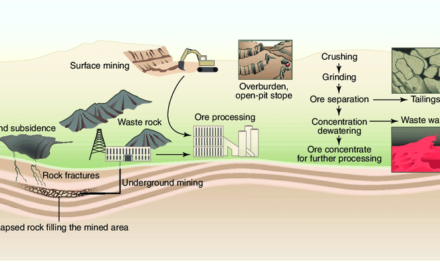
Surface mining involves removing large amounts of earth to access minerals near the surface. It’s typically used for minerals that are located in horizontal or near-horizontal beds close to the surface.
a. Open-Pit Mining
- Description: A method where minerals are extracted from a large, terraced pit. The pit is dug in steps (benches) to prevent landslides and allow for the removal of materials.
- Commonly Used For: Copper, gold, diamonds, iron ore.
- Key Features: Efficient for extracting large volumes of ore, but can have significant environmental impacts due to land disruption.
- Example: The Bingham Canyon Mine in Utah (one of the largest open-pit copper mines).
b. Strip Mining
- Description: Involves stripping away the overburden (surface layers) to reach the minerals beneath. Typically, large areas are stripped in a series of parallel cuts.
- Commonly Used For: Coal, phosphate, tar sands.
- Key Features: Used when minerals are found in horizontal layers, especially in flatter terrain. Less expensive than underground mining but causes extensive environmental disruption.
- Example: Coal mining in the Appalachian Mountains (USA).
c. Mountaintop Removal Mining
- Description: A controversial method of mining that removes the top of a mountain to access coal seams.
- Commonly Used For: Coal, particularly in Appalachian regions.
- Key Features: Highly destructive to ecosystems, often resulting in deforestation, habitat destruction, and water pollution.
- Example: Coal mining in West Virginia (USA).
d. Placer Mining
- Description: A type of surface mining where minerals (usually gold) are extracted from alluvial deposits, such as rivers, sandbars, or beaches, by panning, sluicing, or dredging.
- Commonly Used For: Gold, gemstones.
- Key Features: Usually done on a smaller scale, using water to separate heavy metals from lighter materials.
- Example: Gold panning in California or Alaska.
2. Underground Mining
Underground mining is used to extract minerals that are deep below the earth’s surface, where surface mining would be too expensive or impractical.
a. Shaft Mining
- Description: A vertical tunnel is drilled down to access deep mineral deposits. Once a shaft is created, horizontal tunnels are extended to reach various ore bodies.
- Commonly Used For: Gold, silver, diamonds, zinc, copper.
- Key Features: Expensive and complex, requiring significant safety measures. Used for deep deposits where surface mining is not feasible.
- Example: Witwatersrand Gold Mine in South Africa.
b. Drift Mining
- Description: A horizontal tunnel (drift) is dug into a hillside to reach minerals. It’s used for ore bodies that are located along the sides of hills or mountains.
- Commonly Used For: Coal, iron ore, gold.
- Key Features: Less expensive than shaft mining but still requires significant excavation.
- Example: Mining operations in West Virginia (USA).
c. Room and Pillar Mining
- Description: A mining technique where miners leave pillars of ore to support the roof while extracting other areas, creating rooms of mined-out material. This method is used in flat-lying ore deposits.
- Commonly Used For: Coal, gypsum, salt.
- Key Features: The pillars allow for stability in the mine, but some mineral remains in place as the pillars. Used where ore bodies are spread out over large areas.
- Example: Coal mining in Pennsylvania (USA).
d. Cut and Fill Mining
- Description: A method used for ore bodies that are irregular in shape. The mined-out ore is replaced with backfill material to prevent collapse. It’s often used for steep, narrow ore deposits.
- Commonly Used For: Gold, silver, copper.
- Key Features: Expensive due to the backfilling process but allows for safer mining in steeply dipping ore bodies.
- Example: Underground mining in the Coeur d’Alene mining district (USA).
3. In-Situ Mining (Solution Mining)
In-situ mining involves dissolving the minerals in place and pumping them to the surface through wells. This method is used for minerals that are difficult to mine using traditional methods.
a. In-Situ Leaching (ISL)
- Description: A solution, often an acid or alkaline solution, is injected into the ore body, dissolving the minerals, which are then pumped to the surface.
- Commonly Used For: Uranium, copper.
- Key Features: Minimizes surface disturbance but may cause groundwater contamination if not managed properly.
- Example: Uranium mining in Kazakhstan.
b. Solution Mining
- Description: Similar to in-situ leaching, but used for extracting soluble minerals, such as salts or potash, by injecting a solution to dissolve the minerals.
- Commonly Used For: Potash, salt, and copper.
- Key Features: Low environmental impact but limited to soluble minerals.
- Example: Potash extraction in Saskatchewan (Canada).
Key Differences Between Mining Methods
- Depth of the Ore: Surface mining is used for minerals close to the surface, while underground mining is required for deeper ore bodies.
- Environmental Impact: Surface mining often has a larger environmental footprint (land disturbance, deforestation, water contamination) compared to underground mining, which can be less disruptive but more expensive.
- Safety: Underground mining has more inherent safety risks due to collapses, flooding, and ventilation issues.
- Cost and Efficiency: Surface mining is generally more cost-effective for shallow deposits, while underground mining is used for deeper, more concentrated ore bodies where surface mining would be inefficient.
- Mineral Type: The method chosen depends on the type of mineral being extracted, its location, and its ore characteristics