Organic minerals, due to their unique chemical and physical properties, interact with flotation, leaching, and bioleaching processes in ways that differ significantly from the behavior of inorganic minerals. These interactions largely depend on factors like chemical composition, hydrophobicity, particle size, and organic functional groups present in the minerals. Here’s how organic minerals interact with these processing techniques:
1. Flotation:
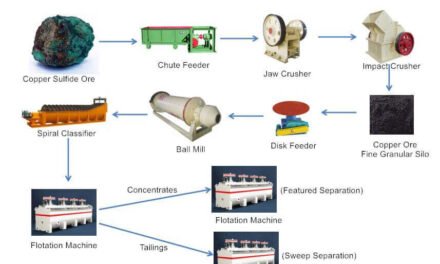
Flotation is a widely used method to separate valuable minerals from gangue materials based on differences in surface properties. In flotation, organic minerals can exhibit distinctive interactions compared to inorganic ones, often due to their hydrophobicity (tendency to repel water) or surface chemistry.
Interaction of Organic Minerals with Flotation:
- Hydrophobicity: Many organic minerals (such as kerogen in oil shale, humic acids, and coal) are naturally hydrophobic, which means they have a tendency to repel water and can adhere to air bubbles in the flotation process. This property makes them easier to float and concentrate.
- Example: Coal is rich in hydrophobic organic material (like bitumen) and can be easily separated from inorganic impurities (like ash and clay) by flotation.
- Collector Reagents: Organic minerals often require specific flotation collectors (chemicals that enhance hydrophobicity) such as long-chain hydrocarbons or ammonium salts to improve their floatability. These collectors increase the effectiveness of the flotation process by increasing the surface tension of the organic minerals, allowing them to adhere to air bubbles.
- Example: Humic substances (organic acids) can be floated using specific collectors that enhance their interaction with air bubbles, facilitating their separation from unwanted materials.
- Challenges: Some organic minerals, such as tar sands or oil shale, may contain a mix of hydrophilic and hydrophobic components, requiring more complex flotation reagents and conditioners to modify the surface properties and improve separation.
2. Leaching:
Leaching is a hydrometallurgical process where a solvent is used to dissolve specific minerals, leaving impurities behind. Organic minerals interact with leaching processes in diverse ways based on their chemical composition.
Interaction of Organic Minerals with Leaching:
- Chemical Leaching of Humic Substances: Organic minerals like humic acids and humates can be extracted from peat, lignite, or coal using acidic or alkaline solutions. For example, sulfuric acid can help dissolve humic acids by breaking down the organic matrix and releasing the desired organic compounds.
- Example: In coal leaching, strong acids (like sulfuric or nitric acid) can be used to remove inorganic contaminants, while the organic components (humic substances) are often left behind or dissolved separately.
- Selective Leaching of Kerogen: In the case of oil shale, alkaline leaching or solvent extraction can be used to extract kerogen (the organic precursor to oil) by breaking down the kerogen into smaller, more soluble hydrocarbons. This process is often done under high pressure and temperature.
- Example: Sodium hydroxide or potassium hydroxide can be used to extract kerogen from oil shale by breaking the organic bonds, allowing oil extraction.
- Challenges: Organic minerals can be resistant to traditional leaching, especially if they are insoluble in common solvents or require high-energy inputs for breakdown. For example, fossil resins like amber do not easily dissolve in typical leaching solutions, requiring more specialized or thermal treatments.
3. Bioleaching:
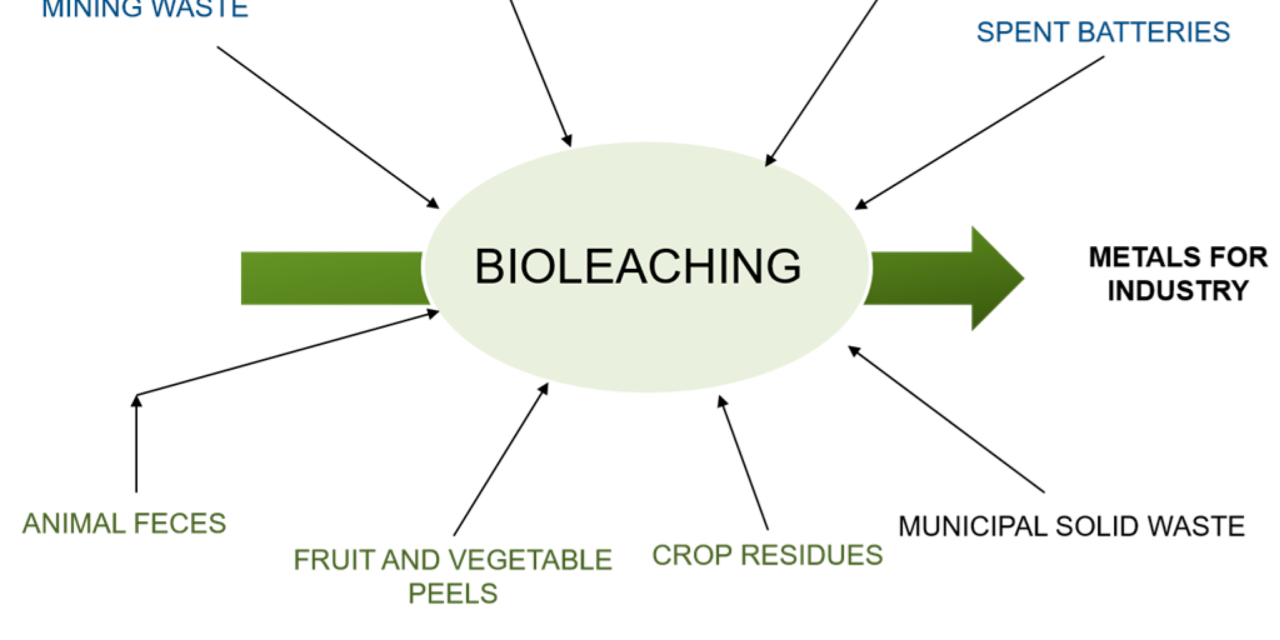
Bioleaching, or biological leaching, uses microorganisms to break down minerals and extract valuable metals or organic components. Organic minerals interact with bioleaching in ways that are typically more biologically influenced, as microorganisms can selectively target organic compounds for breakdown.
Interaction of Organic Minerals with Bioleaching:
- Microbial Degradation of Organic Matter: Certain bacteria and fungi are capable of degrading organic materials like humic substances, kerogen, and coal by metabolizing them and releasing essential nutrients or breaking down complex organic molecules into simpler, extractable forms.
- Example: Acidithiobacillus ferrooxidans is a bacterium that can oxidize organic compounds and metals in sulfidic ores. While bioleaching is most commonly used for metal recovery, certain microbes are also employed to help degrade organic matter in materials like peat or oil shale.
- Bioleaching of Humic Acids: Microbial colonies can assist in the release of humic acids from organic minerals by breaking down complex organic molecules. Humic substances can be solubilized and converted into more bioavailable forms by certain microorganisms, which facilitate their extraction in low-impact ways.
- Example: The use of fungi or bacteria to degrade lignin and other organic components in coal or oil shale, making it easier to extract kerogen and hydrocarbons for energy use.
- Challenges: The bioleaching process requires specific environmental conditions, including temperature, pH, and nutrient availability. Organic materials with complex structures (e.g., fossil resins or high-sulfur coal) may not be easily broken down by microorganisms, limiting the effectiveness of bioleaching.
Conclusion:
- Organic minerals interact differently in flotation, leaching, and bioleaching processes due to their chemical characteristics (e.g., hydrophobicity, solubility, and structure).
- These processes are essential for extracting humic substances, kerogen, and coal components, but each process may require tailored conditions or specialized reagents to optimize efficiency and recovery.
- New advancements in bioleaching and solvent-based extraction are improving the sustainability and effectiveness of these processes, especially for extracting organic components from low-grade ores like oil shale and coal.
Hashtags
#OrganicMinerals #FlotationProcess #LeachingTechniques #Bioleaching #MineralProcessing #MineralSeparation #FlotationInMining #LeachingProcesses #BioleachingTech #MineralExtraction #EcoMiningTech #OrganicMineralsProcessing #SustainableMining #MineralUpgrading #AdvancedLeaching #GreenMining #ResourceRecovery #MiningInnovation #CleanTechMining #MineralSustainability