Automation and digital technology play a crucial role in improving both the efficiency and safety of surface mining operations. By integrating cutting-edge tools, data-driven processes, and automated systems, mining companies can optimize productivity, reduce human error, and minimize the risks associated with mining activities. Here’s a breakdown of how these technologies impact surface mining:
1. Enhanced Operational Efficiency
Automation and digital technology streamline various aspects of mining, leading to better resource utilization, reduced downtime, and improved overall performance.
a. Autonomous Equipment
- Automated Haul Trucks: Autonomous dump trucks, which can operate without human drivers, transport ore and waste with high precision and efficiency. These trucks can work around the clock, reducing idle time and increasing throughput.
- Impact: Increased operational hours, reduced fuel consumption, and lower labor costs.
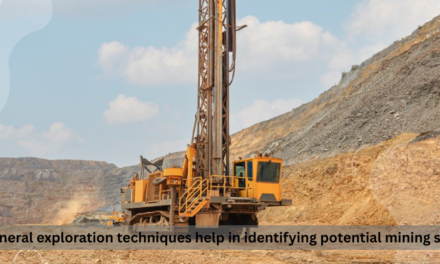
- Autonomous Drilling and Blasting: Drilling machines and blasting processes can also be automated to ensure accurate drilling and controlled explosive use. Automation ensures precision in hole placement and blast timing, enhancing safety and reducing the need for manual intervention.
- Impact: Improved blast efficiency, less material waste, and fewer safety risks related to human involvement in explosive operations.
b. Fleet Management Systems
- Real-time Tracking and Optimization: Digital fleet management systems, including GPS and IoT (Internet of Things) sensors, provide real-time data on equipment location, fuel usage, and operational performance. These systems allow operators to optimize equipment deployment, reduce travel time, and prevent unnecessary downtime.
- Impact: Optimized scheduling, reduced operational costs, and improved resource allocation.
c. Predictive Maintenance
- Condition Monitoring: Using sensors and data analytics, mining equipment can be continuously monitored to predict maintenance needs. By analyzing data on vibration, temperature, and pressure, predictive maintenance systems can anticipate breakdowns before they occur.
- Impact: Reduced unplanned downtime, extended equipment life, and lowered repair costs.
d. Digital Twin Technology
- Simulation of Operations: A digital twin is a virtual replica of the mining operation that simulates real-world mining processes. This technology allows operators to model scenarios, test strategies, and optimize resource extraction methods in a safe, controlled digital environment.
- Impact: Better decision-making, enhanced operational efficiency, and improved mine planning.
2. Improved Safety
Automation and digital technologies reduce the exposure of workers to hazardous conditions, improve emergency response times, and help in preventing accidents in surface mining.
a. Remote Operations
- Remote Control of Equipment: Many mining machines, such as loaders, dozers, and excavators, can be controlled remotely, allowing operators to stay at a safe distance from potentially dangerous areas (e.g., blasting zones, unstable ground, etc.).
- Impact: Minimizes human exposure to hazards, reduces the risk of accidents, and increases safety for workers.
b. Advanced Monitoring and Sensors
- Environmental Monitoring: IoT sensors are used to monitor environmental conditions such as air quality, gas emissions (e.g., methane), and ground stability. This data is continuously analyzed, alerting operators to potential hazards like dust storms or slope failures.
- Impact: Early identification of risks such as toxic gas leaks or unstable geological conditions, enabling timely interventions and preventing accidents.
- Wearable Safety Devices: Wearable devices, such as smart helmets or safety vests, equipped with sensors can monitor workers’ vital signs, location, and environmental exposure. In case of an emergency, these devices can send alerts to supervisors or trigger alarms.
- Impact: Real-time health monitoring, faster response to accidents, and better protection for personnel.
c. Machine Learning and AI for Hazard Detection
- AI-based Predictive Safety Systems: Artificial intelligence can be used to analyze historical data and predict potential safety hazards, such as rockfalls or equipment failures. Machine learning algorithms can continuously learn and improve the accuracy of hazard detection.
- Impact: Proactive identification of risks, enabling preventive actions that reduce accidents and injuries.
d. Autonomous Drilling and Blasting
- Remote Monitoring and Control: Automated drilling and blasting equipment can be operated remotely, reducing the risk to human operators in potentially hazardous situations like underground blasting.
- Impact: Safer work environment, especially in high-risk areas, and improved precision in blasting operations, reducing the chance of accidents.
3. Enhanced Decision-Making and Communication
Digital tools improve decision-making through real-time data analysis, better communication, and a clearer understanding of operational performance.
a. Real-Time Data and Analytics
- Data Visualization: Dashboards and analytics tools provide mine managers with real-time information on production, equipment performance, and environmental conditions. With better insights into operations, management can make informed decisions to improve efficiency and safety.
- Impact: Faster decision-making, better planning, and increased productivity. This helps avoid delays and disruptions that could affect safety or operational efficiency.
b. Remote Collaboration and Communication
- Connected Workforce: Advanced communication platforms allow workers in different parts of the mine to communicate in real time, improving coordination and enabling faster responses to emergencies.
- Impact: Faster communication during critical situations, improved teamwork, and streamlined operations.
c. Geospatial and Geological Data Integration
- Geospatial Technologies (GIS): Geographic Information Systems (GIS) and 3D mapping technologies can create detailed digital models of the mine site, helping in both planning and operational optimization. This data can be used to map out hazardous areas, potential resource zones, and environmental impacts.
- Impact: More precise mine planning, safer working conditions, and improved resource management.
4. Sustainability and Environmental Management
Digital and automated systems help mines minimize their environmental footprint by optimizing resource use, reducing emissions, and improving waste management.
a. Energy Management
- Energy Efficiency Systems: Automation and digital monitoring of energy usage help surface mining operations optimize fuel consumption, reduce waste, and lower greenhouse gas emissions. For example, integrating solar power systems or using electric-powered equipment can reduce dependency on diesel.
- Impact: Reduced operational costs and a smaller environmental footprint, contributing to more sustainable mining operations.
b. Waste Reduction and Water Management
- Smart Water Management: Digital technologies, including sensors and IoT systems, allow mining operations to monitor and manage water usage more efficiently. Automated water recycling systems can help minimize water consumption and improve waste management.
- Impact: Reduced environmental impact from water use and waste, contributing to sustainable mining practices.
5. Operational Cost Reduction
By increasing productivity, reducing downtime, and improving precision, automation and digital technologies can also lower operational costs, leading to higher profitability.
- Labor Cost Reduction: Automation can reduce the need for manual labor, leading to savings in labor costs and improving safety by reducing the number of workers in dangerous areas.
- Improved Resource Recovery: Technologies like AI and machine learning can help optimize ore extraction, improving recovery rates and ensuring that valuable resources are not wasted.
Conclusion
Automation and digital technologies are transforming surface mining by improving efficiency, safety, environmental sustainability, and cost-effectiveness. These innovations allow for more precise operations, enhanced risk management, and better resource utilization. As the mining industry continues to adopt automation and digital tools, the benefits in terms of safety and profitability will likely continue to grow, ensuring that mining operations can meet increasing global demand for minerals while minimizing their environmental footprint.
Hashtags
#MiningAutomation #DigitalMining #SmartMining #MiningInnovation #MiningSafetyTech #MiningEfficiency #TechInMining #AutomatedMining #MiningDigitalization #MiningTechRevolution #MiningSafetyInnovation #SurfaceMiningTech #MiningAutomationSolutions #DigitalMiningSolutions #FutureOfMining #MiningTechnology #SustainableMining #MiningIndustry #MiningTrends