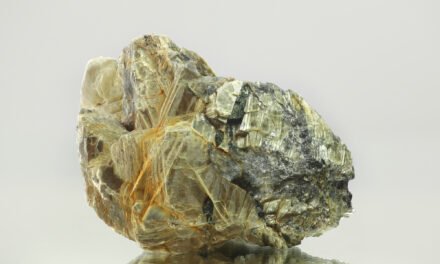
Recent advancements in genetic engineering and synthetic biology have significantly enhanced the potential of biomining, improving the efficiency, selectivity, and sustainability of microbial metal extraction processes. These innovations are pushing the boundaries of what biomining can achieve, particularly in the extraction of rare earth elements (REEs) and critical minerals. Below are some of the key advancements in this field:
1. Engineered Microorganisms for Enhanced Metal Recovery
- Genetic modifications of microorganisms such as bacteria, fungi, and yeast have been a primary focus of research in biomining. By altering their genetic makeup, scientists can enhance the microorganisms’ ability to extract specific metals or thrive in harsh mining conditions.
- Genetically engineered bacteria can be designed to express specific enzymes that accelerate the oxidation of metal sulfides or other mineral components, improving the efficiency of bioleaching.
- For instance, scientists have engineered Acidithiobacillus ferrooxidans (a bacterium commonly used in bioleaching) to boost its tolerance to high metal concentrations and acidic environments, enabling it to process more challenging ores.
- Other bacteria, such as Leptospirillum ferrooxidans, have been engineered to enhance their ability to extract cobalt, nickel, and other critical minerals more efficiently from sulfide ores.
2. Tailored Microbial Communities for Metal Extraction
- In synthetic biology, researchers are working on designing microbial consortia (a mixture of microorganisms) that work synergistically to improve biomining outcomes. These consortia combine the strengths of different organisms to extract metals more efficiently from diverse ores and environments.
- For example, a microbial consortium might include a bacterium for bioleaching, a fungus for metal absorption, and an alga for metal concentration. Each organism in the consortium performs a specialized role in the extraction process, leading to higher efficiency and more rapid metal recovery.
- This approach can also help in selectively targeting certain metals while minimizing the extraction of unwanted elements, making the process more cost-effective and environmentally friendly.
3. Genetically Engineered Fungi for Metal Bioaccumulation
- Fungi are being genetically engineered for biosorption and bioaccumulation of metals, especially for the extraction of rare earth elements like lanthanum, neodymium, and cerium, which are crucial for high-tech applications.
- Research has shown that certain fungal species, such as Aspergillus niger, can accumulate high levels of rare earth elements. By genetically modifying these fungi, scientists can increase their capacity for metal uptake and accumulation, allowing for more efficient and selective recovery of critical minerals.
- These genetically engineered fungi can also be optimized to absorb metals from low-concentration ores or waste materials, such as tailings, making them particularly useful for recovering valuable metals from secondary sources.
4. Enhanced Enzyme Production for Metal Extraction
- One area of synthetic biology that has made significant strides is the engineering of enzymes involved in metal extraction processes. Enzymes like oxidoreductases and sulfatases play a critical role in breaking down metal sulfides and other mineral matrices to release metals for recovery.
- Researchers are optimizing the production of these enzymes through genetic modifications to increase their efficiency in bioleaching processes. This allows for faster extraction of metals like copper, gold, nickel, and rare earth elements.
- In addition, genetically engineered enzymes can be designed to work at higher temperatures or in more acidic conditions, expanding the range of ores that can be processed using biomining.
5. Improved Microbial Tolerance to Harsh Environments
- One of the major challenges of biomining is the extreme conditions under which the process takes place. Many mining environments are characterized by high acidity, high metal concentrations, and extreme temperatures.
- Genetic engineering has been used to enhance the tolerance of microorganisms to these harsh conditions. For instance, bacteria used in bioleaching can be engineered to tolerate higher concentrations of heavy metals, such as arsenic, lead, and mercury, which are often found in mining waste and ores.
- Microbial tolerance to high acidity (pH values as low as 1) and the ability to thrive in extreme temperatures (from 30°C to 50°C) are critical for ensuring that microorganisms can operate efficiently in challenging mining environments.
6. Synthetic Biology for Tailored Metal Recovery Processes
- Synthetic biology involves redesigning biological systems to perform specific tasks. In the context of biomining, this can include engineering microorganisms to have optimized metabolic pathways for the extraction of specific metals from ores or waste materials.
- For example, metabolic engineering of bacteria can be used to enhance the production of extracellular polymers that help in the bioleaching of metals from ores. These polymers can bind to metal ions, facilitating their extraction and improving overall metal recovery rates.
- Researchers are also exploring synthetic pathways to enable microorganisms to produce chemicals that enhance the solubility of metals from ores, speeding up the bioleaching process.
7. High-Throughput Screening of Engineered Microorganisms
- To accelerate the development of effective biomining organisms, high-throughput screening (HTS) is being used to rapidly evaluate large numbers of genetically engineered microorganisms. HTS allows researchers to identify strains with the best performance in terms of metal recovery, tolerance to harsh conditions, and efficiency in bioleaching.
- This approach allows for the rapid identification of microorganisms that can be used in biomining applications at a commercial scale. By screening many different genetic modifications at once, researchers can quickly find the most effective organisms for specific mining operations.
8. Bioengineering for Waste-to-Resource Recycling
- One of the exciting applications of genetic engineering in biomining is the ability to recycle and recover metals from waste materials, such as e-waste, tailings, and industrial byproducts. These materials often contain trace amounts of rare earth elements, lithium, cobalt, and other critical minerals.
- Genetically engineered microorganisms can be used to selectively recover metals from waste streams, turning what would otherwise be waste into valuable resources. This innovation has the potential to significantly reduce the need for traditional mining and support circular economy models by providing a sustainable source of critical minerals.
9. Environmental Impact Reduction
- Genetic engineering also holds promise in reducing the environmental footprint of biomining. Engineered microorganisms can be designed to be more efficient in their metal extraction, reducing the need for large-scale mining operations and decreasing the generation of harmful waste materials.
- Additionally, bioremediation approaches can be integrated with biomining to neutralize toxic compounds and prevent environmental contamination, such as the release of acid mine drainage (AMD), which is a significant concern in traditional mining processes.
Conclusion
The integration of genetic engineering and synthetic biology into biomining has significantly advanced the field by improving the efficiency, selectivity, and environmental sustainability of metal extraction processes. By enhancing microbial tolerance to harsh environments, increasing enzyme production, creating tailored microbial consortia, and optimizing biosorption and bioleaching pathways, researchers are opening new avenues for extracting rare earth elements and critical minerals. These advancements are not only expected to improve the economic feasibility of biomining but also reduce the environmental impact of traditional mining methods, making biomining a key player in the sustainable extraction of metals for high-tech industries.
Hashtags
#GeneticEngineeringInMining #SyntheticBiologyForMining #BioleachingInnovation #BiominingTech #GeneticallyModifiedMicrobes #BioengineeringSolutions #MicrobialMining #BioTechMining #BiominingEfficiency #SustainableMiningTech #EcoFriendlyMining #GreenMiningSolutions #MiningInnovation #BiotechnologyInMining #MiningSustainability #MicrobialMetallurgy #CleanMiningTech #ResourceRecovery #CircularEconomyInMining #FutureOfMining