Processing oxide mineral ores presents several environmental and sustainability challenges, despite being generally less reactive and more stable than sulfide ores. The extraction of metals from oxide ores often involves energy-intensive methods and the generation of waste, which can lead to environmental impacts. Below are the main environmental and sustainability challenges associated with processing oxide mineral ores, along with possible solutions for managing these challenges:
1. Energy Consumption and Greenhouse Gas Emissions
- Challenge:
- Many oxide ores, especially those of aluminum (e.g., bauxite) and iron (e.g., hematite), require energy-intensive processes like smelting, leaching, and calcination to extract the metal. The Bayer process for aluminum extraction, for example, involves high-temperature refining that consumes large amounts of energy, contributing to carbon dioxide (CO₂) emissions.
- The smelting of iron from hematite in a blast furnace is another example of an energy-intensive process that generates a substantial amount of CO₂ emissions due to the reduction of iron oxide using carbon (e.g., coke).
- Impact:
- High energy consumption and associated greenhouse gas emissions contribute to climate change and increase the overall carbon footprint of mining operations.
- Solutions:
- Energy-efficient technologies: Use of renewable energy sources such as solar, wind, and hydropower in mining and processing operations can reduce the carbon footprint.
- Carbon capture and storage (CCS): Implementing CCS technologies in smelting and roasting operations can help capture CO₂ emissions.
- Alternative processes: Research into direct reduction methods (e.g., using hydrogen instead of coke for iron extraction) can help reduce the carbon intensity of metal production.
2. Water Consumption and Contamination
- Challenge:
- Leaching processes, which are commonly used for the extraction of metals from oxide ores (e.g., copper oxides and bauxite), often require large volumes of water. This water is sometimes contaminated with toxic chemicals, such as acid (e.g., sulfuric acid or caustic soda) or heavy metals.
- The Bayer process for aluminum extraction generates significant quantities of bauxite residue (or red mud), which requires large amounts of water for disposal and treatment.
- Impact:
- Overuse of water in arid regions can lead to water scarcity, affecting both local communities and ecosystems.
- Contaminated water from mining activities can lead to the pollution of local water bodies, harming aquatic ecosystems and potentially affecting human health.
- Solutions:
- Water recycling and closed-loop systems: Implementing closed-loop water systems within mining and processing operations can help reduce water consumption by reusing process water.
- Tailings management: Proper management of tailings ponds and the use of dry stacking or thickening of waste can reduce the amount of water used for waste disposal.
- Water treatment: Implementing advanced water treatment technologies, such as reverse osmosis, membrane filtration, and chemical neutralization, can help remove contaminants from wastewater before it is discharged into the environment.
3. Waste Generation and Disposal
- Challenge:
- The processing of oxide mineral ores generates significant quantities of waste materials, including tailings, slag, and bauxite residue (red mud).
- Bauxite residue, in particular, is highly alkaline and contains trace amounts of heavy metals like arsenic, cadmium, and lead, which can pose significant environmental risks if not properly managed.
- The leaching process can also generate large volumes of waste, particularly in copper mining, where residual cyanide or acidic solutions may be produced.
- Impact:
- Improper disposal of waste materials, particularly in tailings ponds, can lead to soil contamination, air pollution, and water contamination.
- The red mud produced from bauxite processing poses long-term challenges in terms of storage and environmental contamination.
- Solutions:
- Waste minimization: Implementing zero-waste strategies, where waste materials are reused in other processes (e.g., using bauxite residue in cement production), can help reduce environmental impact.
- Tailings management: Using more sustainable tailings disposal methods, such as dry stacking, and ensuring proper geotechnical engineering of tailings dams to avoid dam failure and potential environmental disasters.
- Neutralization of alkaline wastes: Treating red mud with neutralizing agents like gypsum or lime can help reduce its environmental impact.
4. Toxic By-Products and Emissions
- Challenge:
- The use of chemical reagents like cyanide (in gold oxide leaching) and sulfuric acid (in copper and bauxite leaching) can lead to the formation of toxic by-products.
- The smelting of iron from hematite produces sulfur dioxide (SO₂), which can contribute to acid rain and air pollution if not properly captured.
- Impact:
- Toxic by-products from cyanide or acid leaching can contaminate water sources, affecting local communities and ecosystems.
- The release of sulfur dioxide and other gases from smelting contributes to air pollution and acidification of surrounding environments.
- Solutions:
- Reagent recycling: Implementing systems for the recycling of reagents like cyanide and sulfuric acid can help reduce environmental contamination and waste generation.
- Flue gas treatment: Installing sulfur dioxide scrubbers or flue gas desulfurization (FGD) systems in smelting operations can capture SO₂ and prevent its release into the atmosphere.
- Bioremediation: In some cases, using natural or engineered microbial processes to break down toxic chemicals can be an environmentally sustainable way to treat wastewater and tailings.
5. Land Degradation and Habitat Disruption
- Challenge:
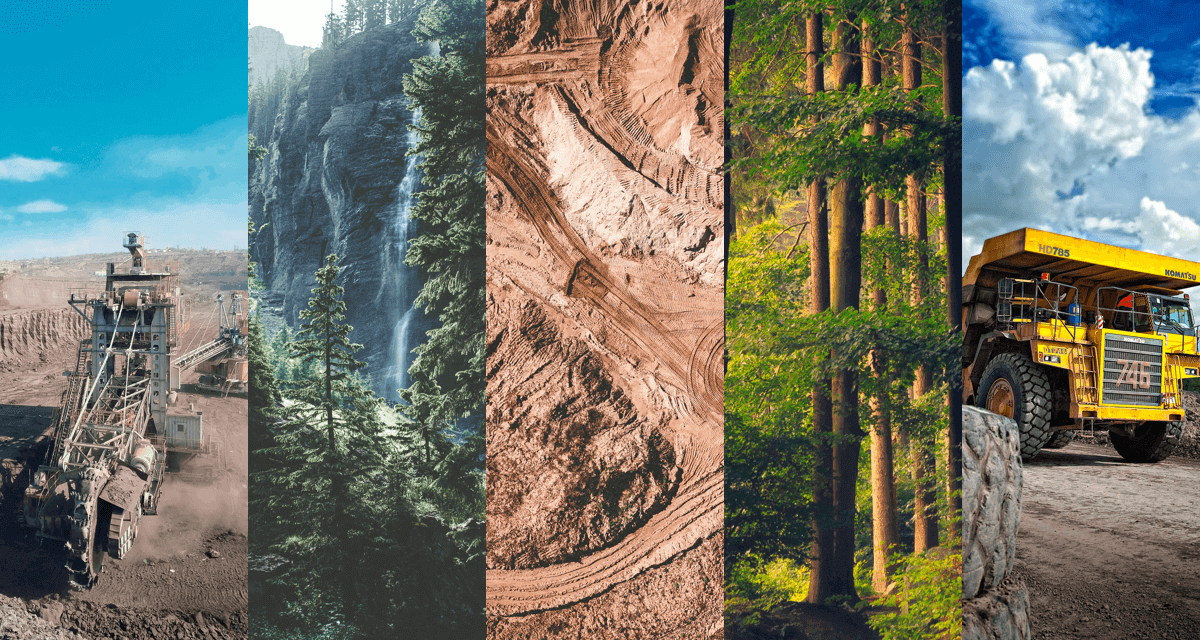
- Mining for oxide ores, particularly in tropical regions where lateritic soils are common, can result in land degradation, deforestation, and displacement of local wildlife.
- Surface mining for bauxite and iron ore can cause extensive land disturbance, especially when large-scale operations clear forests and alter the landscape.
- Impact:
- Deforestation and habitat disruption lead to a loss of biodiversity and the destruction of ecosystems that are vital for both local communities and wildlife.
- The transformation of landscapes can also reduce the land’s future potential for agricultural or forestry use.
- Solutions:
- Reclamation and reforestation: Implementing proper mine reclamation strategies, such as revegetation, reforestation, and restoring habitats post-mining, can help restore ecosystems.
- Environmental Impact Assessments (EIA): Conducting thorough EIAs before mining activities and designing sustainable mining operations that minimize land use and preserve biodiversity.