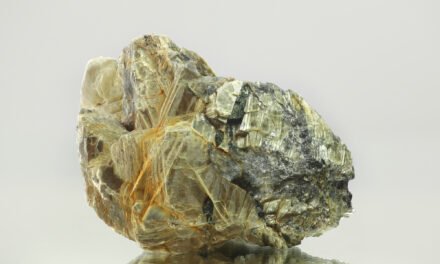
Specialty mining, while offering significant advantages like reduced surface disturbance and the ability to extract minerals from low-grade or difficult-to-reach deposits, still poses several environmental concerns. These concerns can arise from the specific techniques used in specialty mining, as well as from the inherent challenges of extracting rare or critical minerals that are often found in sensitive or remote areas. Below are the major environmental issues and how they are being addressed:
1. Water Usage and Pollution
Concern:
- Many specialty mining techniques, such as in-situ recovery (ISR), solution mining, and bioleaching, involve the use of large amounts of water to dissolve and transport minerals. This can lead to water contamination and overuse, especially in regions where water resources are already scarce.
- Acid mine drainage (AMD) can occur when acidic solutions, used in mining, leach into groundwater or nearby water bodies, harming ecosystems.
Mitigation:
- Water Recycling: Advances in water treatment technologies, such as reverse osmosis and membrane filtration, are allowing water to be reused in the mining process, minimizing freshwater use.
- Closed-Loop Systems: Some operations are implementing closed-loop systems, where water is continuously recycled within the facility, limiting its release into the environment.
- Wastewater Treatment: New chemical and biological methods for treating wastewater ensure that potentially harmful substances are neutralized before being released into the environment.
2. Habitat Destruction and Ecosystem Disturbance
Concern:
- While specialty mining methods such as borehole mining and in-situ leaching reduce surface disturbance compared to traditional mining, the process still disrupts local ecosystems and can damage habitats, especially when done in remote or ecologically sensitive areas (e.g., lithium extraction from salt flats).
- Marine mining for polymetallic nodules can disrupt seabed ecosystems, harming marine life.
Mitigation:
- Minimizing Surface Disturbance: Techniques such as borehole mining and in-situ recovery target specific mineral zones, reducing the overall area of disturbance. By leaving much of the surrounding environment undisturbed, these methods help preserve biodiversity and habitats.
- Environmental Impact Assessments (EIA): Increasingly stringent EIA processes require mining companies to conduct thorough studies of potential environmental impacts before beginning operations. These studies help identify critical habitats, migratory routes, or species that could be affected.
- Marine Conservation Zones: For marine mining, there are growing efforts to designate marine protected areas where mining is restricted or prohibited to ensure the health of marine ecosystems.
3. Toxicity and Chemical Leaching
Concern:
- Leaching agents, including acids, cyanide, and other chemicals, are often used in the extraction of minerals like lithium, rare earth elements (REEs), and gold. If these chemicals are not properly contained or treated, they can contaminate soil, water, and local ecosystems, leading to long-term environmental harm.
Mitigation:
- Improved Chemical Handling: Many companies are moving toward greener or more environmentally friendly leaching agents. For example, bioleaching utilizes natural microbes instead of harmful chemicals, reducing chemical waste.
- Containment Systems: In cases where chemicals are used, mining operations are employing impermeable liners in leach pads and tailing ponds to prevent leakage of toxic substances into the surrounding environment.
- Monitoring and Remediation: Advances in real-time monitoring and early detection systems allow for immediate response to chemical spills or contamination. Additionally, bioremediation techniques are being explored, where microorganisms are used to detoxify polluted sites.
4. Energy Consumption and Carbon Footprint
Concern:
- Many specialty mining methods, particularly bioleaching and hydrometallurgical processes, can be energy-intensive, contributing to high greenhouse gas emissions. The extraction of lithium from brine sources, for example, can consume large amounts of energy and water.
Mitigation:
- Renewable Energy Integration: Some mining operations are transitioning to renewable energy sources like solar, wind, or geothermal to reduce the carbon footprint of the mining process. For example, solar power can be used for pumping water in lithium extraction or for powering in-situ leaching operations.
- Energy-Efficient Technologies: Mining operations are investing in energy-efficient technologies that reduce overall energy consumption, such as more efficient pumps, motors, and processing equipment.
- Carbon Capture: Some innovative operations are exploring carbon capture technologies that trap CO2 emissions from mining processes and either store them underground or repurpose them for other uses.
5. Tailings and Waste Management
Concern:
- The mining of lithium, REEs, and other critical minerals can produce significant amounts of waste material, including tailings and residue from the chemical processes used to extract the minerals. Improper disposal of tailings can result in soil contamination, water pollution, and long-lasting environmental damage.
Mitigation:
- Zero-Waste Mining: There is a growing trend in the mining industry toward zero-waste practices, where tailings are either processed for further recovery or repurposed for other industries (e.g., construction).
- Tailings Storage Facilities (TSFs): Improved designs for tailings storage and the use of thickened tailings (which require less water and are more stable) can help minimize the environmental risks associated with tailings ponds.
- Circular Economy Models: Specialty mining companies are increasingly adopting a circular economy approach, where materials from mining processes, including by-products, are reused, recycled, or repurposed rather than discarded.
6. Social and Community Impacts
Concern:
- Mining operations for critical minerals often take place in areas that are home to indigenous communities or in developing regions. These communities may face disruptions to their way of life, including displacement, loss of access to land, and adverse health effects from mining activities.
Mitigation:
- Community Engagement: Mining companies are being encouraged (and sometimes required by regulation) to engage with local communities, especially indigenous groups, in a meaningful and respectful way. This includes consultation, land-use agreements, and benefit-sharing practices to ensure that local populations benefit from mining operations.
- Health and Safety Measures: Companies are investing in programs to monitor and improve the health and safety of workers and nearby communities, especially concerning airborne particulates or water contamination.
7. Unintended Consequences of Mining in Sensitive Areas
Concern:
- Mining operations in remote or sensitive environments (e.g., salt flats, deep ocean floors, or rainforests) can have unintended consequences, such as disruption of local hydrology, species extinction, or irreversible ecosystem degradation.
Mitigation:
- Strict Regulation: Many countries have implemented strict environmental regulations and international agreements to ensure that mining in sensitive areas is closely monitored and regulated.
- Ecosystem Restoration: Restoration efforts, such as reforestation, habitat restoration, and land reclamation, are being integrated into mining operations to mitigate long-term environmental damage.
Conclusion:
While specialty mining techniques provide advantages in terms of efficiency and reduced surface disturbance, they still come with unique environmental challenges. However, advancements in technology, regulation, and sustainable practices are helping to mitigate these impacts. The mining industry is evolving towards greener technologies and more responsible practices, with an emphasis on minimizing the environmental footprint, ensuring resource recovery, and supporting sustainable development.
Hashtags
#EnvironmentalImpact #SustainableMining #MiningForTheFuture #EcoMiningSolutions #CleanMiningTechnologies #RareEarthMiningImpact #GreenMiningInitiatives #MiningEnvironmentalConcerns #ResponsibleMineralExtraction #SustainableLithiumMining #EcoFriendlyMining #MineralSustainability #MiningInnovation #CircularEconomy #GreenTech #ResourceConservation #MiningResponsibility #EarthFriendlyMining #SustainableResourceManagement #FutureOfMining