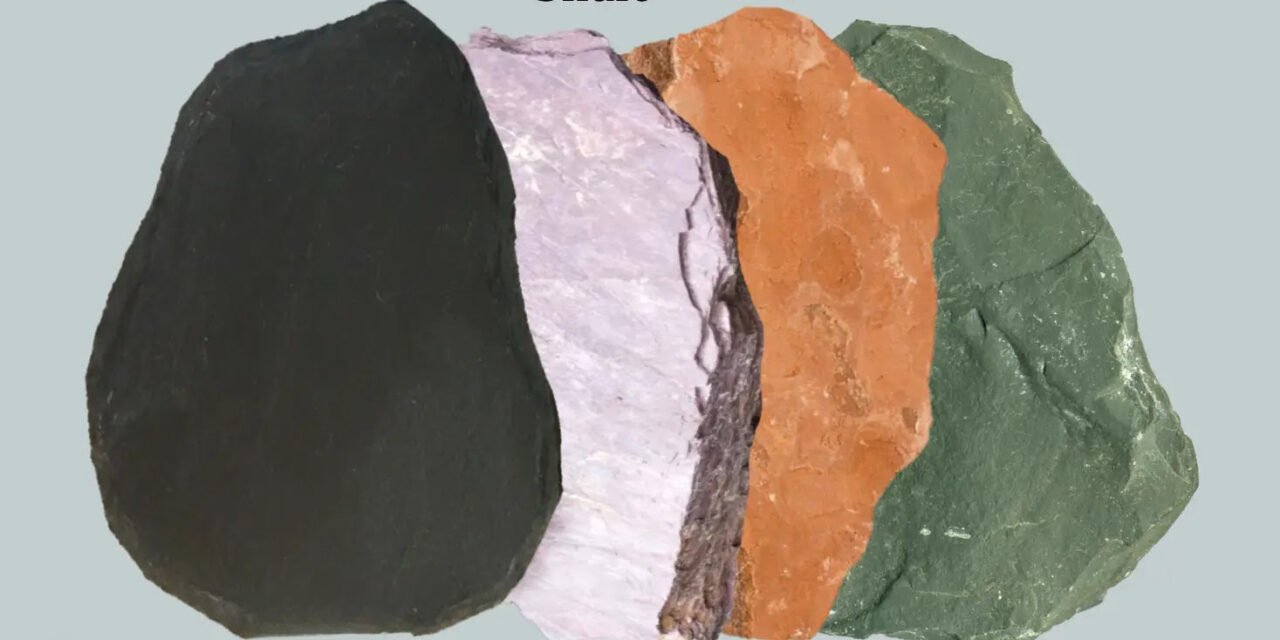
The presence of organic minerals in mineral ores like coal and oil shale can have significant effects on their processing, influencing both the efficiency of extraction and the quality of the final product. Here’s how organic minerals can impact the processing of these ores:
1. Coal
Coal, primarily made of organic matter (plant material), also contains inorganic minerals, some of which are classified as organic minerals. These organic minerals (such as humic substances) are formed during the peat to coal transformation process, and their presence can affect various stages of coal mining and processing.
Impacts on Processing:
- Ash Content: Coal often contains mineral matter (inorganic minerals), such as clays, silica, and carbonate minerals, but it can also contain organic minerals like humic substances. These contribute to the ash content of coal, which is a byproduct after combustion. High ash content lowers the energy output per unit of coal and can make it more difficult to handle.
- Coking Properties: In the case of coking coal (used for steel production), the presence of organic minerals can affect its coking properties. The volatiles in coal, including organic materials, can interfere with the coking process, potentially affecting the strength and quality of the coke produced.
- Sulfur Content: Organic sulfur, often found in coal as organic minerals, can contribute to sulfur emissions during combustion. This affects air quality and necessitates the use of desulfurization technologies to comply with environmental regulations.
- Flotation and Beneficiation: Organic minerals can also interfere with coal beneficiation techniques, such as flotation. They can make it more challenging to separate valuable coal from impurities, lowering the overall efficiency of the beneficiation process.
2. Oil Shale
Oil shale is a sedimentary rock that contains kerogen, a solid organic material that can be converted into oil and gas through heating (a process known as retorting). The presence of organic minerals in oil shale can significantly influence its processing, particularly in terms of yield and efficiency.
Impacts on Processing:
- Kerogen Extraction: Organic minerals, particularly clays and carbonates, often act as matrix materials that surround the kerogen in oil shale. The presence of these minerals can impede the efficiency of the extraction process by restricting the release of hydrocarbons during retorting. When kerogen is mixed with high amounts of inorganic material, it becomes more difficult to effectively extract oil and gas.
- Mineral Impurities: Clay minerals (like kaolinite) and carbonates present in oil shale can also affect the quality of the oil and gas produced. In some cases, they can contaminate the extracted products, requiring further purification processes.
- Retorting Efficiency: The heat transfer and the thermal decomposition of oil shale are affected by the mineral content. High levels of carbonates or sulfates in the shale can require more energy to reach the desired temperature for retorting, reducing the overall efficiency and increasing operational costs.
- Waste Byproducts: The inorganic minerals in oil shale may lead to the formation of waste byproducts like sulfur compounds or acid gases when the oil shale is heated. This requires additional scrubbing or cleaning technologies to remove harmful emissions and mitigate their impact on the environment.
General Effects of Organic Minerals in Ore Processing:
- Increased Processing Costs: The presence of organic minerals, especially those that are difficult to separate or decompose, can increase the costs of ore processing. Additional steps, such as beneficiation, flotation, desulfurization, and thermal treatment, are often needed to mitigate their effects.
- Environmental Concerns: Organic minerals can contribute to the release of harmful emissions such as sulfur dioxide, carbon dioxide, and acid gases during the processing of ores. This increases the need for environmental controls and can complicate regulatory compliance.
- Influence on Product Quality: The organic minerals can reduce the quality of the end product by introducing impurities that require extra refinement or make the product less useful for certain industrial applications (e.g., coking coal or refined oil).
The presence of organic minerals in ores like coal and oil shale introduces processing challenges, particularly in terms of efficiency, cost, and environmental impact. To counter these challenges, mining operations often adopt specialized techniques and technologies (e.g., desulfurization, advanced beneficiation methods, and retorting technologies) to minimize the negative effects of organic minerals and optimize the extraction and processing of valuable hydrocarbons and energy products.